
Matching bedroom furniture is not just about finding pieces that look the same. South Africans are choosing coordinated furniture to bring harmony and style into their homes, and around 70 percent of homeowners say a cohesive bedroom boosts their daily sense of peace. You might expect the hard part is picking colours or styles, but the real secret sits in how these choices can actually improve your mood and help you sleep better. That changes everything about the way you set up your space.
Table of Contents
- Defining Matching Bedroom Furniture: Key Concepts
- The Importance of Matching Furniture in Your Bedroom
- Styles and Materials: What to Consider
- Creating Harmony: Colour Schemes and Design
- Tips for Finding Your Ideal Matching Bedroom Furniture
Quick Summary
| Takeaway | Explanation |
|---|---|
| Choose coordinating styles for harmony | Select furniture pieces with similar styles for a cohesive look. Consistent design elements create visual unity in your bedroom. |
| Consider colour psychology for well-being | Use colours that evoke calmness and comfort, such as soft blues or warm neutrals. This can enhance relaxation and emotional stability. |
| Assess space before purchasing | Measure your room’s dimensions and features to guide furniture selection. Understanding your space helps you choose appropriately sized items that fit well. |
| Create visual relationships between pieces | Aim for proportional sizes and consistent materials to ensure furniture complements one another. This fosters a sense of intentionality in your design. |
| Incorporate subtle variations for interest | While matching pieces, allow for minor differences to avoid monotony. This adds visual depth and personal style to your bedroom environment. |
Defining Matching Bedroom Furniture: Key Concepts
Matching bedroom furniture represents a strategic approach to interior design that creates visual harmony and cohesion within personal living spaces. This concept goes beyond simply purchasing furniture pieces that look similar. It involves selecting items that complement each other through shared design elements, colour palettes, materials, and overall aesthetic sensibilities.
Understanding Furniture Coordination
Coordinating bedroom furniture requires thoughtful consideration of multiple design factors. The primary goal is creating a unified environment that feels intentional and aesthetically pleasing. Key characteristics of matching bedroom furniture include:
- Consistent colour schemes and wood tones
- Similar design styles (contemporary, traditional, minimalist)
- Proportional sizes and shapes of furniture pieces
- Complementary textures and finishes
According to South African Design Council Research, furniture design plays a critical role in creating functional and visually appealing living spaces. Matching bedroom furniture allows individuals to transform their personal spaces into cohesive sanctuaries that reflect individual taste and design sensibility.
Elements of Successful Furniture Matching
Successful matching bedroom furniture integrates multiple components seamlessly. This involves selecting pieces that share fundamental design principles while allowing subtle variations that prevent monotony. For instance, a bedroom set might feature a bed, chest of drawers with coordinated design elements, and bedside tables that share similar wood grain, colour palette, or architectural details.
Designers recommend focusing on core furniture pieces like beds, wardrobes, and storage units as anchoring elements. These primary pieces should demonstrate clear visual relationships through intentional design choices. By maintaining consistent design language across different furniture items, you create a sense of intentionality and sophistication in your bedroom environment.
The Importance of Matching Furniture in Your Bedroom
Matching bedroom furniture transcends mere aesthetic appeal. It represents a strategic approach to creating functional, harmonious living spaces that contribute to psychological well-being and personal comfort. The deliberate selection of coordinated furniture pieces can significantly transform a bedroom from a simple sleeping area into a sanctuary of relaxation and personal expression.
Psychological Impact of Cohesive Design
The visual environment directly influences mental state and emotional well-being. Matching bedroom furniture creates a sense of order and tranquility that can reduce stress and promote better sleep quality. Psychological research suggests that organized, aesthetically pleasing spaces contribute to reduced anxiety and improved mental clarity. By selecting furniture pieces that complement each other, individuals create a predictable and soothing environment that supports emotional stability.
This table summarises key psychological benefits associated with matching bedroom furniture to highlight how coordinated design influences well-being.
| Psychological Benefit | Description |
|---|---|
| Reduced Visual Clutter | Less visual noise calms the mind and aids relaxation |
| Enhanced Personal Control | Consistency provides a sense of predictability |
| Improved Mood & Emotional State | Organised spaces assist emotional regulation |
| Increased Comfort & Security | Cohesive design fosters feelings of safety |
Key psychological benefits of matching bedroom furniture include:
- Reduced visual clutter
- Enhanced sense of personal control
- Improved mood and emotional regulation
- Increased feelings of comfort and security
According to South African Department of Trade research, furniture design plays a crucial role in creating living spaces that support individual well-being and productivity.
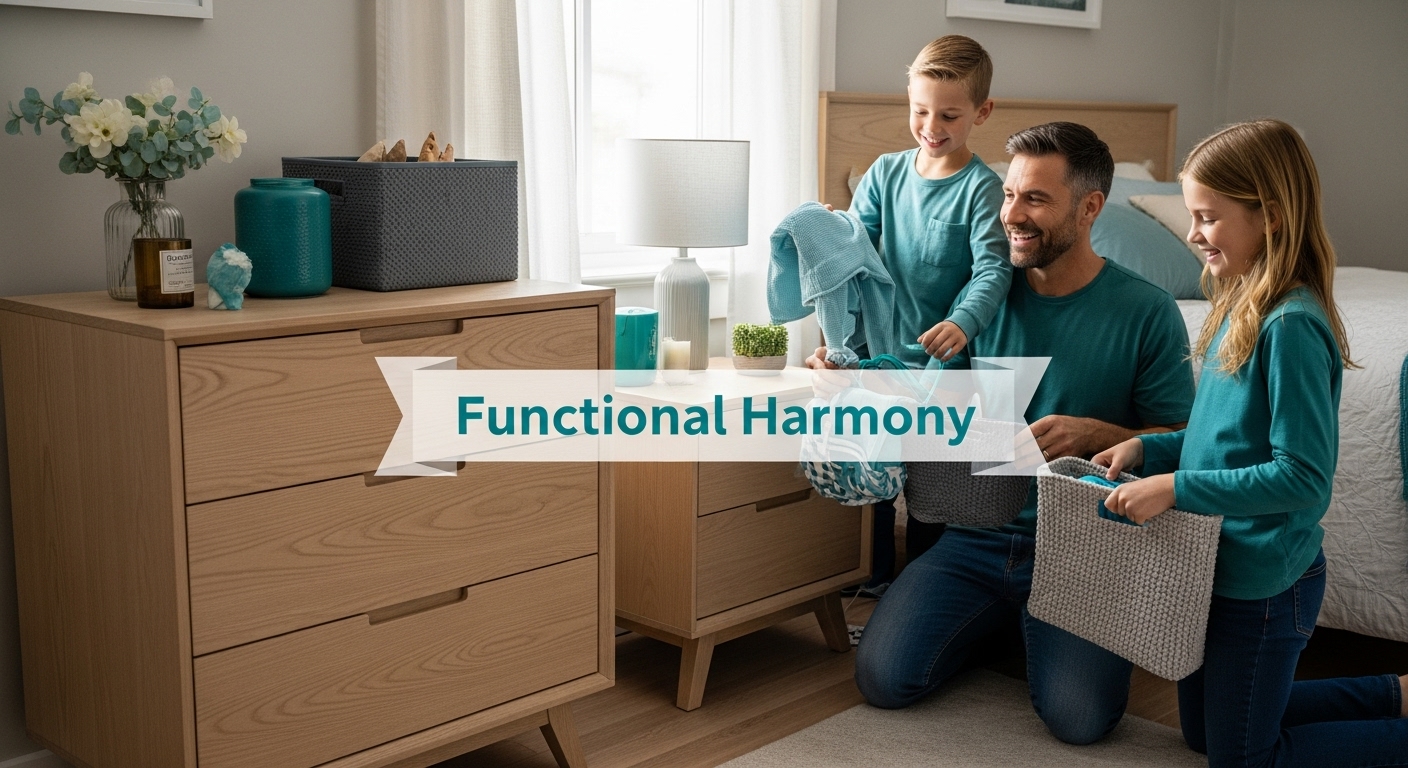
Functional and Aesthetic Harmony
Beyond psychological benefits, matching bedroom furniture offers practical advantages. Coordinated pieces ensure optimal space utilization and create a seamless visual flow. When selecting furniture for your ideal bed shop experience, consider how different elements interact and complement each other.
Designers recommend focusing on proportional relationships between furniture pieces. This involves selecting items with similar visual weight, complementary design languages, and consistent material qualities. A well-matched bedroom furniture set communicates intentionality and sophistication, transforming an ordinary room into a personalized retreat that reflects individual style and sensibility.
Styles and Materials: What to Consider
Selecting the right style and materials for matching bedroom furniture requires a nuanced understanding of design principles, personal aesthetic preferences, and practical functionality. This decision involves balancing visual appeal with durability, comfort, and long-term investment potential.
Design Style Fundamentals
Bedroom furniture styles represent more than aesthetic choices. They communicate personal identity and create specific emotional atmospheres within living spaces. Contemporary styles emphasize clean lines and minimalist design, while traditional styles incorporate ornate details and classic wood finishes. Modern interior design increasingly values versatility and adaptability across different style categories.
Below is a table outlining the common bedroom furniture styles mentioned in the article, along with their defining features and the emotional atmosphere they create.
| Style Category | Defining Features | Emotional Atmosphere |
|---|---|---|
| Minimalist Contemporary | Clean lines, uncluttered, functional forms | Calm, spacious, modern |
| Classic Traditional | Ornate detail, classic wood finishes | Warm, timeless, elegant |
| Scandinavian | Light woods, functional, simple shapes | Airy, fresh, inviting |
| Industrial | Mixed materials, metal and wood accents | Edgy, urban, authentic |
| Mid-century Modern | Geometric forms, tapered legs, bold lines | Nostalgic, lively, sophisticated |
Common bedroom furniture style categories include:
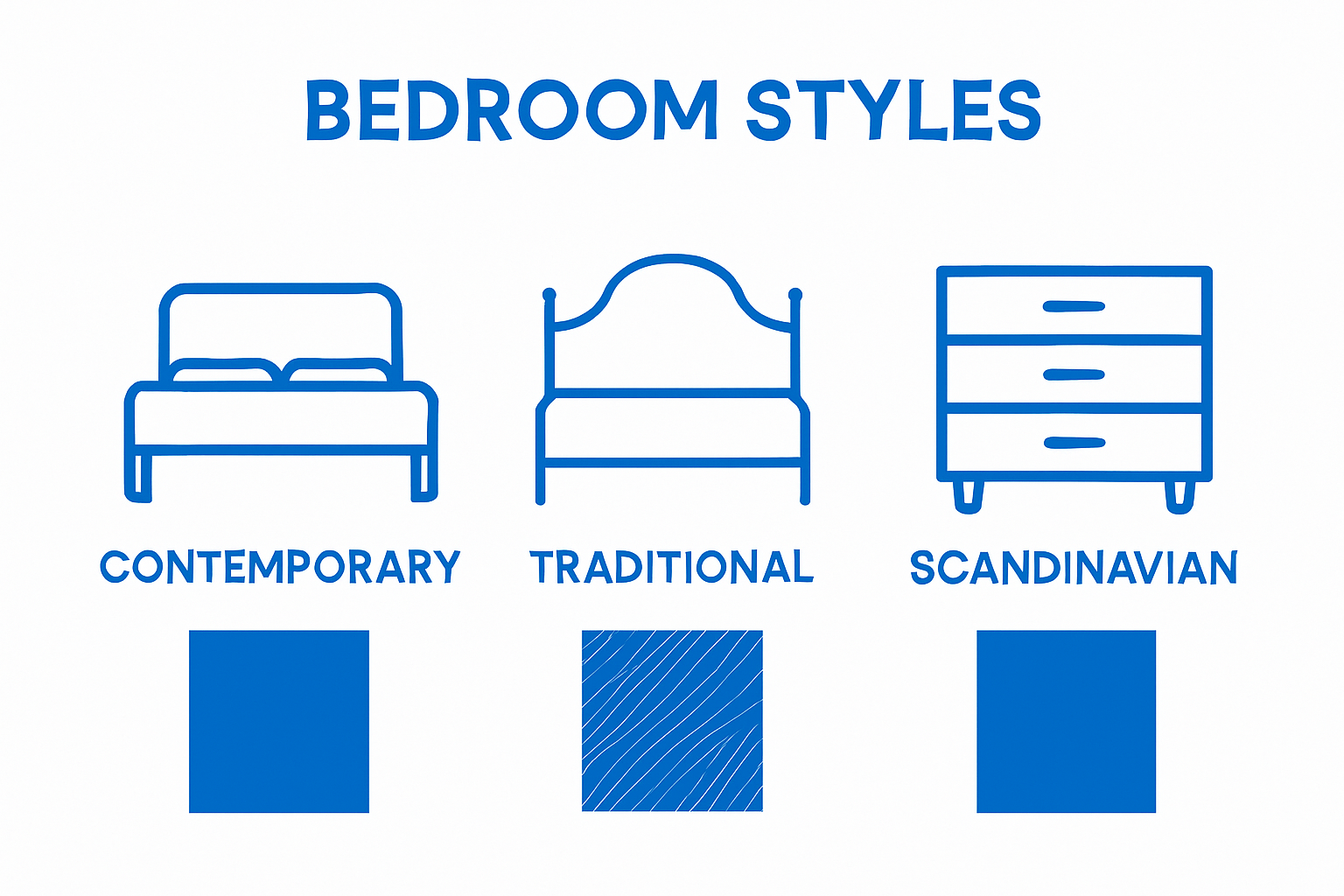
- Minimalist contemporary designs
- Classic traditional wooden furniture
- Scandinavian inspired functional aesthetics
- Industrial mixed-material approaches
- Mid-century modern geometric forms
According to Proudly South African Furniture Portal research, understanding local manufacturing trends can significantly inform design choices and support domestic furniture production.
Material Selection Strategies
Material selection represents a critical aspect of matching bedroom furniture. Different materials offer unique characteristics in terms of durability, maintenance requirements, and aesthetic appeal. Wooden materials like oak, pine, and mahogany provide classic warmth and longevity. Engineered materials such as MDF and particleboard offer cost-effective alternatives with improved consistency.
Consider exploring chest of drawers that showcase material versatility when evaluating furniture options. The right material can transform a functional piece into a design statement that enhances overall bedroom aesthetics.
Professional designers recommend evaluating materials through multiple lenses: visual harmony, structural integrity, maintenance complexity, and alignment with personal lifestyle requirements. By understanding these interconnected factors, individuals can make informed decisions that create cohesive, personalized bedroom environments.
Creating Harmony: Colour Schemes and Design
Colour schemes form the foundational language of interior design, transforming bedroom furniture from isolated pieces into a cohesive visual narrative. Understanding colour theory and its psychological implications enables individuals to craft spaces that communicate mood, style, and personal identity through intentional design choices.
Colour Psychology in Bedroom Design
Colour selection extends far beyond aesthetic preferences. Different colours trigger specific psychological and emotional responses, influencing sleep quality, stress levels, and overall well-being. Neutral tones like soft greys and warm beiges create calming environments, while deeper shades like navy or forest green introduce sophistication and depth.
Key colour psychology principles include:
- Soft blues promote relaxation and tranquility
- Warm neutrals generate feelings of comfort
- Earthy greens enhance sense of renewal
- Muted greys create sophisticated minimalist environments
- White tones generate perception of spaciousness
According to University of Pretoria’s interior design research, colour represents a crucial mode of cultural production within spatial design, communicating complex emotional narratives.
Harmonizing Furniture Colour Palettes
Creating harmonious colour palettes requires strategic thinking about visual relationships between furniture pieces. Designers recommend selecting a primary colour and complementing it with secondary and accent colours that share similar undertones. When exploring chest of drawers options, consider how different finishes and colours interact within your bedroom’s overall design ecosystem.
Successful colour harmony involves understanding undertones, balancing colour weights, and creating visual rhythm through deliberate selection. By treating colour as a design language, individuals can transform bedroom furniture from mere functional objects into expressive elements that reflect personal style and emotional sensibilities.
Tips for Finding Your Ideal Matching Bedroom Furniture
Selecting matching bedroom furniture requires strategic planning and a comprehensive understanding of personal aesthetic preferences, spatial constraints, and functional requirements. The process involves more than simply purchasing coordinated pieces it demands thoughtful consideration of multiple design and practical elements.
Assessment of Personal Space and Needs
Successful furniture selection begins with a thorough evaluation of your bedroom environment. Measuring available space represents the foundational step in furniture matching. Understanding room dimensions, existing architectural features, and potential layout configurations enables more informed design decisions.
Critical factors to consider during initial assessment include:
- Total floor area
- Natural light availability
- Window and door placement
- Existing architectural elements
- Personal storage requirements
According to the dtic’s Furniture Design Competition research, innovative design emerges from understanding both functional requirements and personal aesthetic preferences.
Developing a Cohesive Selection Strategy
Designers recommend developing a comprehensive approach to furniture selection that prioritizes visual harmony and functional integration. This involves creating a design narrative that connects different furniture pieces through consistent colour palettes, material textures, and architectural lines.
When exploring bedroom design options for couples, consider how individual pieces interact to create a unified visual experience. Successful matching requires viewing furniture as an interconnected system rather than isolated components.
Professional interior designers emphasize the importance of maintaining design flexibility. While matching furniture creates visual cohesion, introducing subtle variations prevents the space from feeling monotonous or overly staged. The ultimate goal is creating a personalized environment that reflects individual style while maintaining a sense of intentional design harmony.
Find Your Perfect Matching Bedroom Set at Comfy Beds
Are you struggling to achieve that balanced, harmonious look in your bedroom? Many South Africans face the same challenge when it comes to matching bedroom furniture—choosing the right pieces that work together can be confusing and time-consuming. The article explores how coordinated chest of drawers, pedestals and wardrobes bring unity, emotional comfort and practical storage to your space. Now, you can transform your bedroom into a sanctuary with solutions made just for you. Explore our full Chest of Drawers selection to discover versatile styles that pair effortlessly with our matching Wardrobes and Pedestals.
Ready to turn your bedroom into a haven that reflects your personal style and brings daily peace of mind? Shop directly at Comfy Beds now for quality bedroom furniture at factory-low prices. The right match is waiting—make your dream space a reality today.
Frequently Asked Questions
What is matching bedroom furniture?
Matching bedroom furniture refers to a cohesive approach to selecting furniture pieces that complement each other in design, colour, and material, creating a harmonious and visually appealing space.
Why is it important to have matching bedroom furniture?
Having matching bedroom furniture promotes psychological well-being by creating an organized and aesthetically pleasing environment that reduces stress and improves mood. It also ensures functional harmony and optimizes space utilization.
How can I create harmony with colour schemes in my bedroom furniture?
To create harmony, start by selecting a primary colour for your furniture and complement it with secondary and accent colours that share similar undertones. Consider how different finishes and textures interact within your overall bedroom design.
What materials should I consider for my bedroom furniture?
When choosing materials for bedroom furniture, consider options like solid woods (e.g., oak, pine, mahogany) for durability and warmth, as well as engineered materials like MDF for cost-effectiveness. Evaluate materials for their visual appeal, structural integrity, and maintenance needs.
