
When picking out a mattress, most folks focus on how soft or firm it feels. That sounds obvious, right? But here is a surprise. Foam density can predict how long your mattress will last — with high-density foams lasting up to 10 years and low-density ones sometimes giving in after just 3. And here is the twist. The way foam density shapes your comfort and support is not as simple as just picking the hardest or softest option. The real secret lies in matching your body and sleep style to the right density for you.
Table of Contents
- What Is Foam Density And Why Is It Important?
- How Foam Density Affects Comfort And Support
- Different Types Of Foam And Their Densities
- The Role Of Foam Density In Mattress Lifespan
- Key Considerations When Choosing Foam Density
Quick Summary
| Takeaway | Explanation |
|---|---|
| Foam density indicates mattress quality. | Higher density generally means greater durability and support, impacting long-term performance. |
| Consider body weight when choosing density. | Lighter individuals prefer lower density foams, while heavier individuals need higher densities for adequate support. |
| Foam type affects comfort characteristics. | Different foam types like memory and latex offer unique density ranges, influencing comfort and support differences. |
| Higher density foams provide better longevity. | They resist compression better, which leads to fewer permanent body impressions and longer mattress lifespan. |
| Balance budget and long-term value. | Investing in higher density foams may seem costly initially, but they provide better durability, reducing replacement frequency. |
What is Foam Density and Why is it Important?
Foam density represents the weight of foam material per cubic metre, providing crucial insights into mattress quality and performance. Understanding this fundamental characteristic helps consumers make informed purchasing decisions about their sleeping surface.
Defining Foam Density
Foam density measures the mass of foam per unit volume, typically expressed in kilograms per cubic metre (kg/m³). In mattress terminology, this measurement indicates how much material is packed into a specific space.
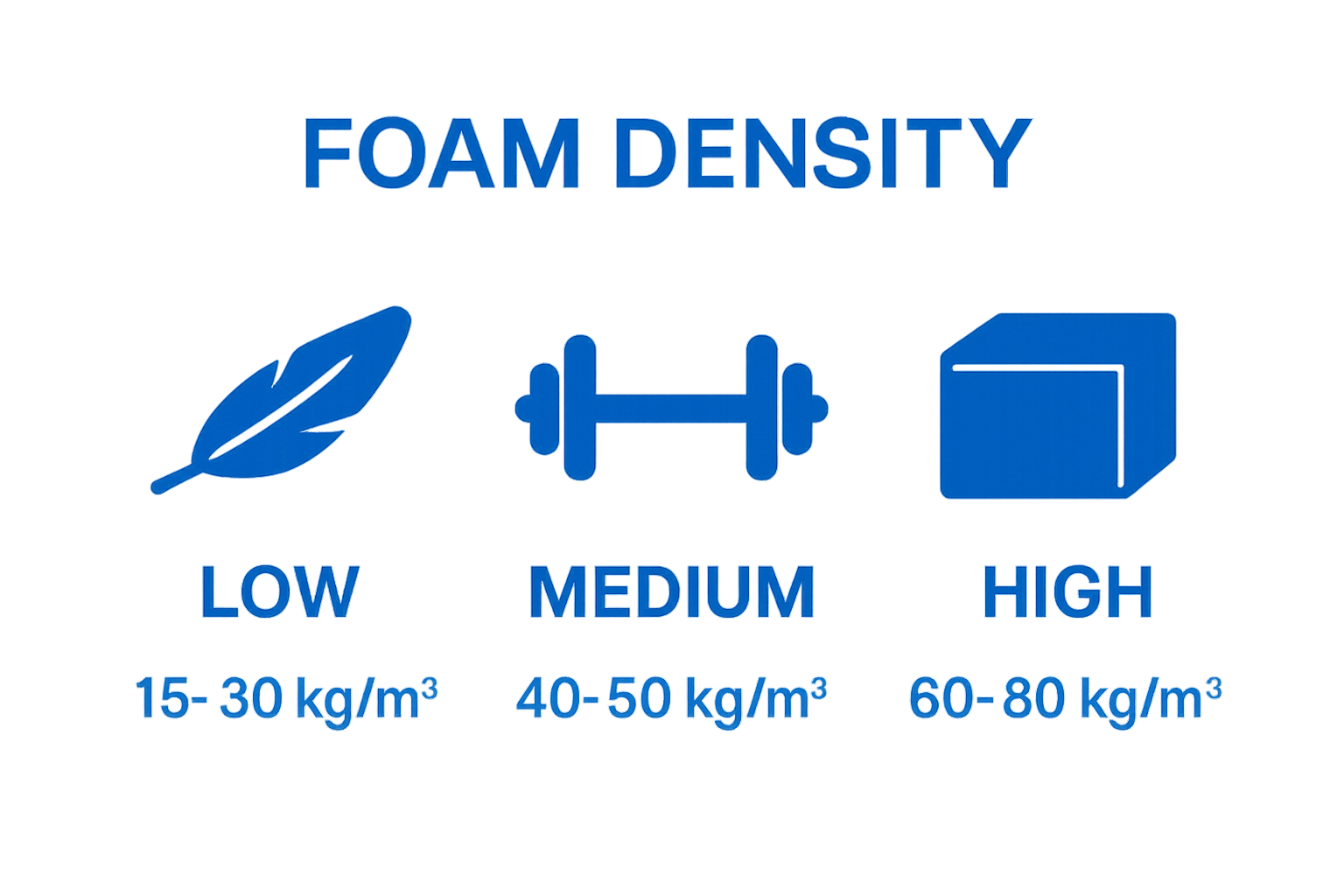 Research from Sleep Foundation reveals that density ranges can vary significantly:
- Low density: 16-24 kg/m³
- Medium density: 24-48 kg/m³
- High density: 48-80 kg/m³
A higher density indicates more material compressed into the same volume, which generally translates to improved durability and support. This does not necessarily mean the mattress will feel firmer, but rather that it will likely maintain its structural integrity for a longer period.
Why Foam Density Matters for Mattress Performance
Foam density directly influences several critical mattress characteristics. According to structural materials research, increasing foam density enhances structural integrity and load-bearing capacity. Higher density foams typically provide better:
- Weight distribution
- Pressure point relief
- Long term structural support
- Resistance to body impressions
Consumers seeking a mattress that maintains its shape and comfort over time should pay close attention to foam density. A mattress with appropriate density will offer consistent support, preventing sagging and maintaining its original characteristics for many years.
While density is crucial, it should not be the sole factor in mattress selection. Comfort, personal sleeping preferences, and individual body requirements also play significant roles in determining the ideal mattress for each person.
How Foam Density Affects Comfort and Support
Foam density plays a critical role in determining the overall comfort and support provided by a mattress. Understanding how different density levels interact with body weight and sleeping positions helps consumers make more informed purchasing decisions.
The Relationship Between Density and Body Support
Research in the Journal of Physical Therapy Science demonstrates that foam density directly influences spinal alignment and pressure distribution. Lower density foams compress more quickly, potentially creating uneven support surfaces, while higher density foams maintain structural integrity and provide more consistent weight distribution.
Different density levels offer unique support characteristics:
- Low density (16-24 kg/m³): Softer feel, faster compression
- Medium density (24-48 kg/m³): Balanced support and comfort
- High density (48-80 kg/m³): Enhanced durability and targeted support
Impact on Pressure Point Relief
Body weight and sleeping position significantly influence how foam density impacts comfort. Heavier individuals typically require higher density foams to prevent excessive sinking and maintain proper spinal alignment. Side sleepers often benefit from medium to high-density foams that contour to body curves while providing adequate pressure relief at shoulders and hips.
Additionally, our guide on mattress selection can help you understand how foam density interacts with different sleep styles. Consumers should consider their body weight, preferred sleeping position, and personal comfort preferences when evaluating mattress density.
Ultimately, foam density is not a one-size-fits-all metric. While higher density generally indicates better long-term performance, individual comfort remains the most critical factor in selecting the right mattress.
Different Types of Foam and Their Densities
Foam technology has evolved significantly, offering diverse materials with unique density characteristics designed for specific performance requirements. Understanding these variations helps consumers make informed decisions about mattress selection and comfort preferences.
Memory Foam Density Variations
According to sleep technology research, memory foam represents a sophisticated category with distinct density profiles:
- Traditional memory foam: 16-48 kg/m³
- High-density memory foam: 48-80 kg/m³
- Gel-infused memory foam: 24-56 kg/m³
Traditional memory foam tends to be less expensive and offers moderate contouring. High-density memory foam provides superior durability and support, while gel-infused options enhance temperature regulation and weight distribution.
Polyurethane Foam Characteristics
Polyurethane foam represents another significant mattress material with variable density ranges. These foams are often used as base layers or support cores in mattress construction. Our comprehensive mattress guide explains how different foam types contribute to overall mattress performance.
Polyurethane foam density categories include:
- Low-density: 16-24 kg/m³
- Standard density: 24-32 kg/m³
- High-density: 32-48 kg/m³
Specialty Foam Technologies
Emerging foam technologies continue to push boundaries in comfort and support. Latex foam, for instance, offers unique density characteristics with natural and synthetic variants. Natural latex typically ranges from 64-96 kg/m³, providing exceptional durability and responsive support.
Latex foams are known for:
- Superior elasticity
- Enhanced breathability
- Longer lifespan compared to traditional foams
Consumers should recognize that foam density is not just a technical specification but a critical factor in determining mattress comfort, support, and longevity. Each foam type brings distinct advantages, making personal preference and individual sleep requirements paramount in selection.
Below is a comparison of the most common foam types used in mattresses, summarising their typical density ranges and primary characteristics for easy reference.
| Foam Type | Typical Density Range (kg/m³) | Key Characteristics |
|---|---|---|
| Traditional Memory Foam | 16-48 | Moderate contouring, affordable, moderate durability |
| High-Density Memory Foam | 48-80 | Superior support, high durability, retains shape |
| Gel-Infused Memory Foam | 24-56 | Enhanced temperature regulation, good weight distribution |
| Polyurethane (Low) | 16-24 | Soft, less durable, used in budget mattresses or top layers |
| Polyurethane (Standard) | 24-32 | Balanced comfort and support, moderate price |
| Polyurethane (High) | 32-48 | Firmer, durable, typically used in support cores |
| Natural Latex | 64-96 | Excellent durability, responsive support, hypoallergenic |
The Role of Foam Density in Mattress Lifespan
Foam density serves as a critical predictor of mattress durability, determining how well a mattress maintains its structural integrity and performance over time. Understanding the relationship between density and longevity helps consumers make more informed purchasing decisions.
Compression and Structural Resilience
Research on mattress materials demonstrates that higher density foams resist compression more effectively. Lower density foams typically compress faster, creating permanent body impressions and reducing overall mattress support. High-density foams maintain their original shape and support characteristics for significantly longer periods.
Factors influencing mattress lifespan through density include:
- Material compression resistance
- Weight distribution capabilities
- Ability to retain original shape
- Resistance to permanent deformation
Predicting Mattress Durability
Density directly correlates with a mattress’s ability to withstand repeated use. Our comprehensive mattress guide explains how different foam densities impact long-term performance. Generally, mattresses can be categorized based on their expected lifespan:
- Low-density foams: 3-5 years
- Medium-density foams: 6-8 years
- High-density foams: 8-10 years
Economic and Comfort Considerations
While high-density foams offer superior durability, they also come with higher initial costs. Consumers must balance budget constraints with long-term performance expectations. Investing in a higher density mattress often proves more economical, as the extended lifespan reduces the frequency of mattress replacements.
Ultimately, foam density represents a crucial factor in mattress quality. By understanding how density influences durability, consumers can make more strategic purchasing decisions that balance comfort, support, and long-term value.
This table summarises how different foam densities relate to common mattress lifespan and support expectations, helping buyers match needs and budget with the right foam type.
| Density Level | Typical Density (kg/m³) | Expected Lifespan (Years) | Support & Durability |
|---|---|---|---|
| Low | 16-24 | 3-5 | Softer, compresses easily, less support |
| Medium | 24-48 | 6-8 | Balanced comfort & support, moderate lifespan |
| High | 48-80 | 8-10 | Superior support, high durability, resists sagging |
Key Considerations When Choosing Foam Density
Selecting the appropriate foam density requires careful evaluation of personal sleeping needs, physical characteristics, and long-term comfort expectations. Understanding these nuanced factors helps consumers make more informed mattress purchasing decisions.
Body Weight and Sleeping Position
Sleep research indicates that body weight significantly influences ideal foam density selection. Different body weights demand different support levels:
- Light individuals (under 59 kg): Lower density foam
- Average weight individuals (59-104 kg): Medium density foam
- Heavier individuals (over 104 kg): High-density foam
Side, back, and stomach sleepers also experience varying support requirements. Side sleepers typically need softer, more contouring foams that relieve pressure at shoulders and hips, while back and stomach sleepers benefit from firmer, more supportive densities.
Budget and Long-Term Value
Our comprehensive mattress guide explains how foam density impacts overall mattress investment. Higher density foams cost more initially but provide extended durability and performance. Consumers must balance immediate budget constraints with potential long-term savings.
Considerations for budget-conscious buyers include:
- Initial purchase price
- Expected mattress lifespan
- Potential replacement frequency
- Comfort and support requirements
Health and Comfort Factors
Personal health conditions and comfort preferences play crucial roles in foam density selection. Individuals with chronic pain, joint issues, or specific orthopedic requirements might need more specialized foam densities that provide targeted support.
Additional health-related foam density considerations include:
- Pressure point relief
- Spinal alignment support
- Temperature regulation capabilities
- Allergen resistance
Ultimately, foam density selection is a personalized decision. By carefully evaluating individual needs, physical characteristics, and comfort expectations, consumers can select a mattress that provides optimal support and longevity.
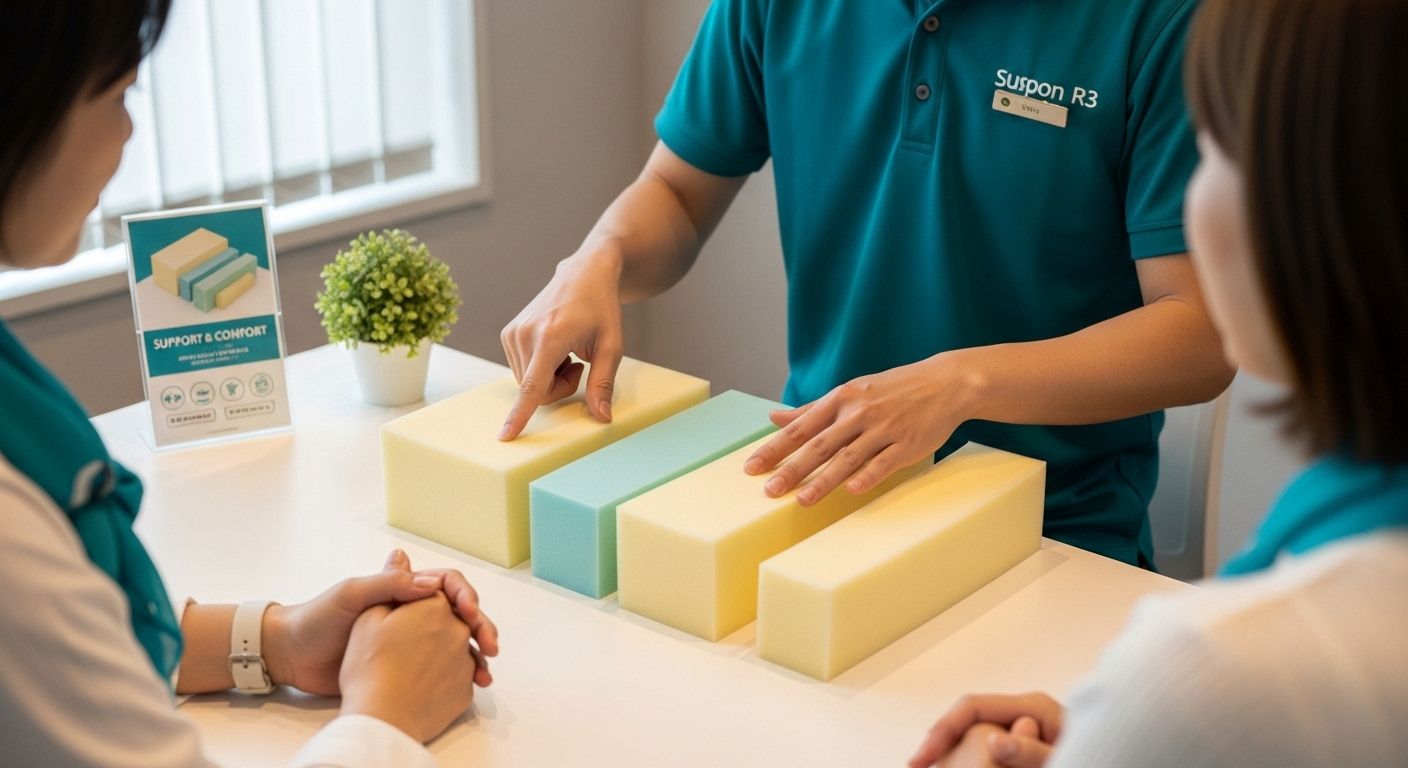
Ready to Find Your Perfect Mattress with the Ideal Foam Density?
Choosing the right mattress can feel overwhelming when you consider how much foam density impacts comfort, support, and durability. If you are worried about choosing a bed that will sag quickly or not provide relief for your unique sleep needs, you are not alone. At Comfy Beds, we help you match your knowledge of foam density from our article with a range of quality mattresses designed for your exact needs. Explore high-density options that offer long-lasting support or discover medium and low-density choices for softer comfort in our Foam Mattresses selection.
Do not settle for guesswork. Get expert guidance and unbeatable value on premium beds by shopping now at Comfy Beds. Looking for more details or still exploring your options? Visit our Foam Mattresses Archive to compare what works best for your sleep. Secure better rest and value today before stocks run out.
Frequently Asked Questions
What is foam density and why is it important for mattresses?
Foam density refers to the weight of foam material per cubic metre, indicating how much material is packed into a specific volume. It is important because it affects mattress durability, support, and performance, helping consumers make informed purchasing decisions.
How does foam density influence comfort and support?
Foam density affects how well a mattress supports the body and distributes weight. Higher density foams typically provide better spinal alignment and pressure relief, especially for those with specific sleeping positions or body weights.
What are the different types of foam and their densities?
Foam types include memory foam, polyester foam, and latex foam, each with varying densities. For example, traditional memory foam generally ranges from 16-48 kg/m³, while natural latex can range from 64-96 kg/m³, affecting their comfort and durability.
How does foam density impact the lifespan of a mattress?
Higher density foams generally provide greater durability and resistance to compression, extending a mattress’s lifespan. Low-density foams typically last 3-5 years, medium-density foams from 6-8 years, and high-density foams from 8-10 years.
