
Side sleeping is the most popular position, with 74% of people choosing to sleep on their sides every night. Most folks think this means any soft mattress will do. Surprise. The real trick is a mattress that offers just the right balance of pressure relief and support or you could wake up with stiff hips and aching shoulders. That balance is harder to find than you might expect and the difference it makes can be massive for your sleep quality.
Table of Contents
- What Makes A Mattress Suitable For Side Sleepers?
- The Importance Of Support And Pressure Relief
- Understanding Mattress Materials And Their Impact
- How To Assess Your Sleeping Position And Needs
Quick Summary
| Takeaway | Explanation |
|---|---|
| Choose a medium-firm mattress | A medium-firm mattress helps maintain spinal alignment while supporting side sleepers’ unique pressure points. |
| Opt for memory foam or latex | These materials evenly distribute weight, reduce pressure points, and contour to the body’s shape for better comfort. |
| Assess your sleep posture | Understanding whether you sleep on your side helps inform your mattress choice and necessary support features. |
| Manage pressure points effectively | Selecting a mattress that cushions shoulders and hips can prevent pain and enhance circulation during sleep. |
| Evaluate personal comfort needs | Consider factors like body weight and existing discomfort to find a mattress that meets your unique sleeping requirements. |
What Makes a Mattress Suitable for Side Sleepers?
Choosing the right mattress for side sleeping involves understanding the unique physiological requirements of this sleeping position. Side sleepers require specific support and comfort characteristics that differ from back or stomach sleepers.
Understanding Side Sleeper Body Mechanics
When sleeping on your side, your body weight is concentrated on smaller surface areas like your shoulders and hips. This concentrated pressure demands a mattress that can provide targeted cushioning and support. Research from Cleveland Clinic recommends a medium-firm mattress to help side sleepers maintain proper spinal alignment and reduce chronic pain.
Key considerations for side sleeper mattresses include:
- Adequate pressure relief around shoulder and hip regions
- Responsive support that maintains natural spine curvature
- Ability to contour to body’s natural curves
Selecting the Right Mattress Material
Different mattress materials respond uniquely to side sleeping positions. Memory foam and latex mattresses often work exceptionally well because they:
- Distribute body weight more evenly
- Reduce pressure points
- Adapt quickly to body movements
For those interested in exploring more comfort options, our guide on transformative beds provides additional insights into mattress selection. The goal is finding a surface that supports your body’s natural alignment while providing comfortable, restorative sleep.
The Importance of Support and Pressure Relief
Support and pressure relief are critical factors that determine mattress comfort and overall sleep quality, especially for side sleepers who experience unique biomechanical challenges during rest.
Understanding Spinal Alignment
Proper spinal alignment is fundamental to preventing chronic pain and ensuring restorative sleep.
Research from the Journal of Chiropractic Medicine demonstrates that mattresses providing optimal support can significantly reduce musculoskeletal discomfort.
Key aspects of effective support include:
- Maintaining the spine’s natural curvature
- Distributing body weight evenly
- Preventing excessive sinking or rigid resistance
Pressure Point Management
Pressure points occur where body weight concentrates most intensely, typically at shoulders, hips, and knees for side sleepers. These areas require specialized cushioning to prevent pain and potential circulation restrictions.
Critical pressure relief considerations are:
- Minimizing direct compression on joints
- Allowing smooth weight distribution
- Reducing potential tissue stress
By selecting a mattress with strategic support and targeted pressure relief, side sleepers can significantly enhance their sleep quality and overall physical wellness. Our guide to buying comfortable mattresses offers additional insights into making the right selection for individual sleep needs.
Understanding Mattress Materials and Their Impact
The materials used in mattress construction play a pivotal role in determining sleep quality, comfort, and overall support, particularly for side sleepers who require specialized surface characteristics.
Memory Foam and Latex Technologies
Memory foam provides exceptional pressure relief by contouring precisely to body curves. Research from PubMed reveals that mattresses with graduated material hardness can significantly enhance decompression effects and reduce pressure points.
Key characteristics of advanced memory foam include:
- Responsive weight distribution
- Temperature sensitivity
- Gradual pressure absorption
- Minimal motion transfer
Hybrid and Specialized Mattress Compositions
Hybrid mattresses combine multiple material technologies to optimize sleep experience. These innovative designs typically integrate:
- Supportive innerspring cores
- Cushioning foam layers
- Breathable top surfaces
For side sleepers seeking nuanced comfort solutions, our comparison of spring versus foam mattresses provides comprehensive insights into material performance and selection strategies. Understanding these technological nuances enables more informed mattress choices tailored to individual sleeping preferences.
To help you see how different mattress materials perform for side sleepers, the table below compares the primary characteristics and suitability for popular mattress types.
| Mattress Material | Suitability for Side Sleepers | Pressure Relief | Spinal Support | Motion Transfer |
|---|---|---|---|---|
| Memory Foam | Excellent | High | Maintains Alignment | Minimal |
| Latex | Very Good | High | Good | Minimal |
| Hybrid | Good | Moderate-High | Very Good | Low |
| Innerspring | Fair | Low-Moderate | Variable | High |
| Specialised Foam | Very Good | High | Good | Low |
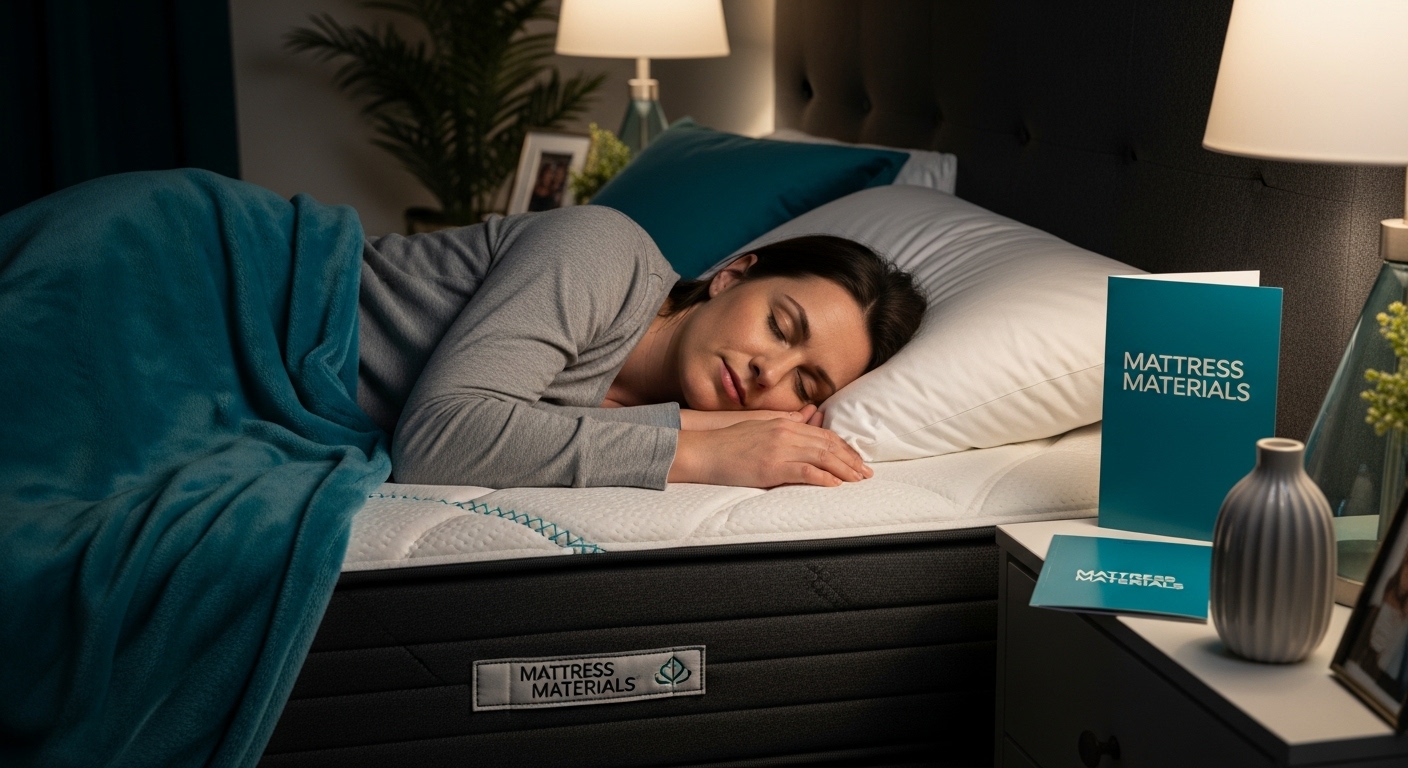
How to Assess Your Sleeping Position and Needs
Understanding your unique sleeping position and physiological requirements is crucial for selecting a mattress that provides optimal comfort and support, particularly for side sleepers with distinct biomechanical challenges.
Identifying Your Sleep Posture
Research from the Journal of Ergonomics reveals that 74% of individuals prefer side sleeping, highlighting the importance of tailored mattress selection. Side sleepers typically exhibit specific body positioning characteristics:
- Legs slightly flexed or bent
- Spine requiring precise alignment support
- Concentrated pressure on shoulders and hips
- Potential need for additional cushioning
Physical Comfort Assessment Techniques
Evaluating your personal sleep needs involves a comprehensive approach that goes beyond surface level comfort. Critical factors to consider include:
- Body weight distribution
- Existing musculoskeletal conditions
- Personal comfort preferences
- Potential pain or discomfort areas
To streamline your mattress selection process, explore our comprehensive bed shop guide which offers personalized insights into matching your unique sleep profile with the ideal mattress design. By understanding your specific sleeping characteristics, you can make an informed decision that transforms your sleep quality and overall physical wellness.
Below is a table summarising key factors and techniques involved in assessing your own sleep posture and comfort needs as a side sleeper.
| Assessment Factor | What to Look For | Impact on Mattress Selection |
|---|---|---|
| Sleep Posture | Preferred side, spine curvature, leg position | Informs need for support and pressure relief |
| Body Weight Distribution | Weight concentrated at shoulders and hips | Guides firmness and cushioning requirements |
| Discomfort / Pain Areas | Presence of aches at hips, shoulders, or back | Indicates need for targeted pressure relief |
| Musculoskeletal Conditions | Any existing joint or back complaints | Requires specific support features |
| Comfort Preferences | Preference for softness, bounce, or cooling | Influences material and layering choices |
Discover True Comfort with the Right Mattress for Side Sleepers
Do you struggle with shoulder or hip pain from sleeping on your side? Many South Africans face nightly discomfort due to a mattress that fails to provide proper support and pressure relief. According to the article, side sleepers need targeted cushioning and spinal alignment to wake up refreshed and pain-free. Our Foam Mattresses are specially designed to contour to your body, distribute weight evenly and ease those pressure points that keep you tossing and turning.

Stop letting a poor mattress hold you back from quality rest. Choose a mattress that supports your preferred sleep style and transforms your nights. Visit Comfy Beds now to browse brands trusted for comfort and innovation. Or explore our O-Paedic Mattresses for unique support features designed with side sleepers in mind. Your best sleep starts tonight—make the switch and feel the difference.
Frequently Asked Questions
What type of mattress is best for side sleepers?
Side sleepers benefit from a medium-firm mattress that provides optimal support and pressure relief, allowing for natural spinal alignment while cushioning the shoulders and hips.
Why is spinal alignment important for side sleepers?
Proper spinal alignment is crucial for side sleepers to prevent chronic pain and ensure restorative sleep. A mattress that maintains natural spine curvature distributes body weight evenly and prevents discomfort.
How do different mattress materials affect side sleepers?
Memory foam and latex mattresses are ideal for side sleepers as they contour to the body’s curves, provide pressure relief, and reduce motion transfer. Hybrid mattresses that combine foam and innerspring technologies can also offer tailored support and comfort.
What should I consider when assessing my sleep needs as a side sleeper?
Consider factors such as your body weight distribution, any existing musculoskeletal conditions, personal comfort preferences, and areas where you may experience pain. Understanding these aspects can guide you in selecting the right mattress for your specific sleeping profile.