
Everyone thinks flipping a mattress is just housekeeping. Most folks only bother once it’s already sagging in the middle or hurting their back. But here’s a wake-up call. A standard innerspring mattress can double its lifespan if flipped or rotated every three to six months. So the real trick is not waiting for aches before making a move. It is about a set routine that keeps your mattress—and your sleep—quality at its best.
Table of Contents
- Step 1: Assess Your Mattress Condition
- Step 2: Determine a Flipping Schedule
- Step 3: Prepare Your Space for Flipping
- Step 4: Flip or Rotate Your Mattress
- Step 5: Verify Mattress Quality After Flipping
Quick Summary
| Key Point | Explanation |
|---|---|
| 1. Assess your mattress condition first | Perform a thorough visual and physical inspection to identify wear, ensuring proper maintenance decisions. |
| 2. Create a personalized flipping schedule | Tailor your mattress flipping frequency based on type, age, and personal sleeping habits for optimal care. |
| 3. Prepare your space for flipping | Clear the area around your bed and gather necessary tools to ensure a safe and efficient flipping process. |
| 4. Follow correct flipping techniques | Use proper lifting and positioning techniques to avoid damaging your mattress or injuring yourself during flipping. |
| 5. Verify mattress quality post-flipping | After flipping, inspect for irregularities and test comfort levels to ensure the mattress remains functional and supportive. |
Step 1: Assess Your Mattress Condition
Before diving into your mattress flipping schedule, understanding the current state of your mattress is crucial. A comprehensive assessment helps you determine whether your mattress is a good candidate for flipping and identifies potential issues that might impact your sleep quality.
Visual and Physical Inspection
Start by stripping your mattress completely and examining its surface thoroughly. Look for visible signs of wear such as sagging, indentations, or uneven areas where body weight has consistently compressed the materials. These visual cues indicate whether your mattress needs more frequent rotation or potentially replacement. Pay special attention to areas where you typically sleep, as these zones experience the most consistent pressure.
Run your hands across the mattress surface, feeling for lumps, dips, or areas that feel significantly harder or softer than others. If you notice significant irregularities, this might suggest uneven wear and potential need for more strategic flipping. Our guide on mattress care instructions provides additional insights into identifying wear patterns.
Age and Material Considerations
The type of mattress you own dramatically influences your flipping strategy. Memory foam and latex mattresses typically cannot be flipped like traditional innerspring mattresses. If you own a hybrid or pillow-top mattress, rotation might be more appropriate than complete flipping. Most manufacturers recommend checking the specific care instructions for your mattress model.
As a general rule, mattresses older than 5-7 years might require more careful assessment. Older mattresses tend to develop more pronounced wear patterns and might benefit from more frequent rotation to distribute pressure more evenly. Consider tracking the age of your mattress to help plan your maintenance schedule.
Verification Checklist
To confirm you have successfully completed this assessment, ensure you have:
- Visually inspected the entire mattress surface
- Felt for uneven areas or significant compressions
- Confirmed your mattress type and its specific care requirements
- Noted the age of your mattress
By methodically examining your mattress, you set the foundation for an effective mattress flipping schedule that can extend its lifespan and maintain optimal sleeping comfort.
Step 2: Determine a Flipping Schedule
Creating a strategic mattress flipping schedule transforms routine maintenance into a proactive approach for extending your mattress lifespan. Your schedule will depend on multiple factors discovered during your initial mattress assessment, including mattress type, age, and individual sleeping patterns.
Frequency Based on Mattress Type
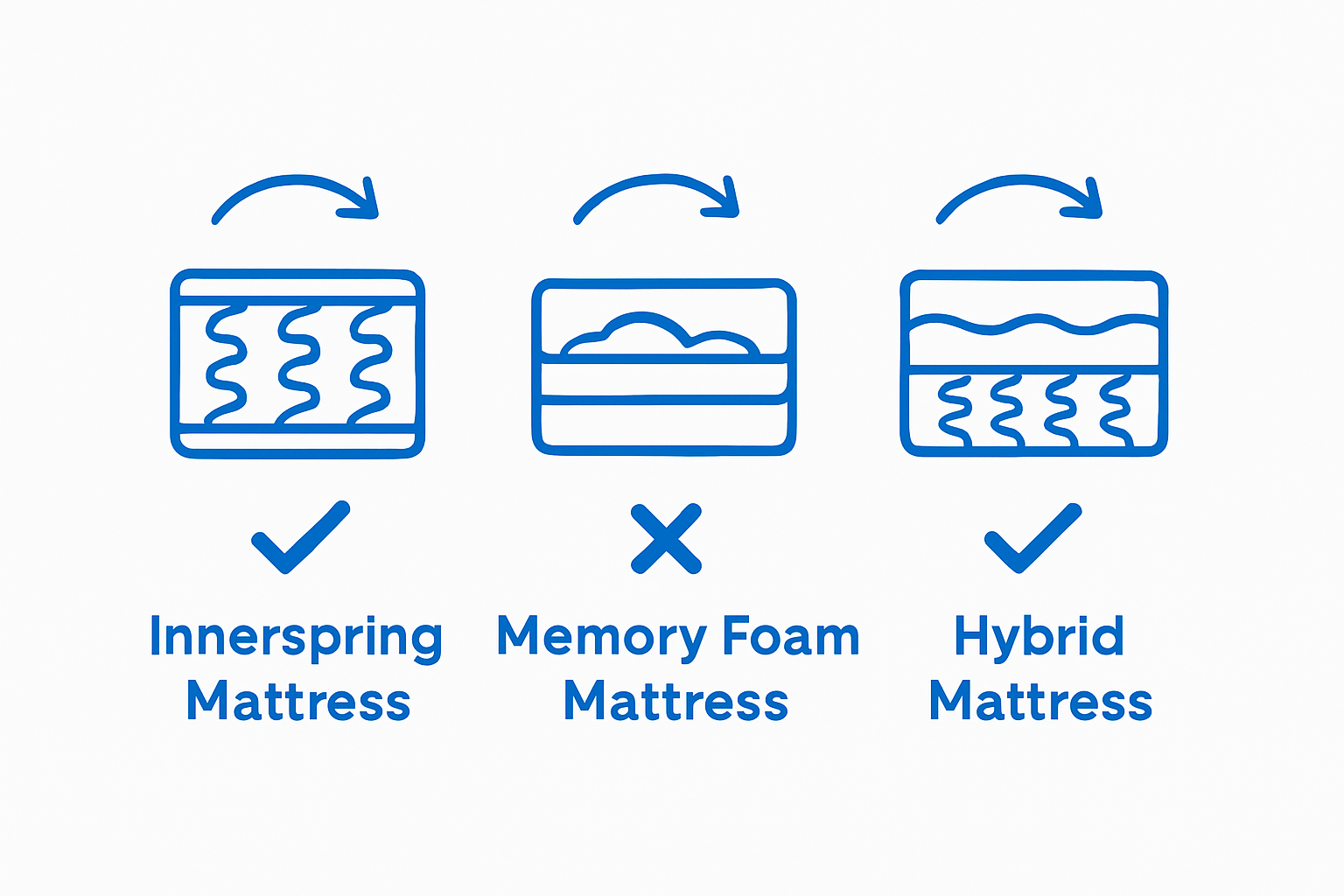
Not all mattresses require identical flipping intervals. Traditional innerspring mattresses benefit most from frequent flipping, ideally every three to six months. Memory foam and latex mattresses typically require rotation rather than complete flipping. Explore our comprehensive guide on mattress types to understand your specific mattress characteristics.
For hybrid mattresses with pillow tops or specialized comfort layers, rotating 180 degrees might be more appropriate than full flipping. This prevents potential damage to delicate surface materials while still distributing wear evenly. Some modern mattresses are specifically designed as one-sided, which means flipping could potentially compromise their structural integrity.
Personalized Scheduling Strategies
Designing your personalized mattress flipping schedule requires considering your unique sleeping habits. If you consistently sleep on one side of the bed or have a partner with significantly different body weight, you might need more frequent adjustments. Single individuals or couples with similar body types can typically follow a standard three to six-month rotation cycle.
Utilize a calendar or smartphone reminder to track your flipping schedule consistently. Mark specific dates for rotation or flipping, treating it like any other important household maintenance task. Some people find success by aligning mattress maintenance with seasonal changes or significant personal events like birthdays or holiday periods.
Below is a summary table comparing recommended flipping or rotation routines based on mattress types and key considerations already discussed in the guide.
| Mattress Type | Routine | Frequency | Special Considerations |
|---|---|---|---|
| Innerspring | Flip & rotate | 3-6 months | Benefits most from full flip |
| Memory Foam | Rotate only | 3-6 months | Do not flip; maintains specific layer design |
| Latex | Rotate only | 3-6 months | Do not flip; follows manufacturer guidance |
| Hybrid (Pillow-top) | Rotate only | 3-6 months | Flipping can damage top layer |
| One-sided Mattress | Rotate only | 3-6 months | Never flip; only 180-degree rotation allowed |
| Older Mattress | Flip/rotate | More frequent | Assess wear; may need increased maintenance |
Verification Checklist
To confirm you have successfully established a mattress flipping schedule, ensure you have:
- Identified your specific mattress type and recommended maintenance approach
- Selected an appropriate flipping or rotation frequency
- Created a tracking method (calendar, digital reminder, physical note)
- Documented your planned flipping dates for the next year
By developing a structured mattress flipping schedule, you protect your investment, optimize sleeping comfort, and potentially extend your mattress’s functional lifespan. Remember that consistency is key in maintaining mattress quality and ensuring restful sleep.
Step 3: Prepare Your Space for Flipping
Preparing your bedroom environment for mattress flipping is more than just clearing some space. This step ensures a smooth, safe process that protects both your mattress and your personal safety. Proper preparation minimizes potential damage and makes the entire flipping procedure efficient and straightforward.
Clearing and Organizing Your Bedroom
Begin by completely clearing the area around your bed. Move nightstands, lamps, and any fragile items at least one meter away from the mattress to create ample working space. Remove all bedding, including sheets, blankets, and mattress protectors, ensuring you have a completely bare mattress surface. This not only provides better grip but also allows you to inspect the mattress thoroughly during the flipping process.
Consider the floor surface where you will be working. Hardwood, tile, or smooth surfaces might require an additional layer of protection to prevent potential scratching or sliding. A clean, thick blanket or specialized mattress moving mat can provide an ideal surface for maneuvering your mattress safely. Our guide on mattress care instructions offers additional insights into protecting your flooring during mattress maintenance.
Essential Tools and Safety Considerations
Gathering the right tools before starting can make your mattress flipping process significantly easier. While you won’t need many specialized items, having a few practical tools can help. A pair of sturdy work gloves can provide better grip and protect your hands from potential strain. If you have a larger or heavier mattress, consider enlisting a helper to prevent potential injury.
Measure the dimensions of your mattress and bed frame beforehand to ensure you have sufficient space for maneuvering. Tight spaces or rooms with multiple furniture pieces might require additional planning. If you live in a smaller bedroom or have limited mobility, you might need to temporarily move additional furniture to create enough space for safe mattress manipulation.
To help you prepare for mattress flipping, here is a table outlining the essential tools and preparations along with their specific purposes.
| Tool/Preparation | Purpose |
|---|---|
| Sturdy work gloves | Improves grip and protects hands from strain |
| Helper (if needed) | Assists with safe lifting and manoeuvring for heavier mattresses |
| Cleared space (1 metre) | Reduces risk of bumping into furniture and allows room to work |
| Removed bedding/protectors | Ensures a bare mattress surface for easy handling and inspection |
| Protective floor cover | Prevents scratching or sliding on hard surfaces |
| Measured bed/mattress area | Confirms you have adequate space for safe movement |
| Tools gathered beforehand | Minimises interruptions and streamlines the flipping process |
Verification Checklist
To confirm you have successfully prepared your space for mattress flipping, ensure you have:
- Cleared surrounding furniture at least one meter from the bed
- Removed all bedding and protective covers
- Prepared a clean, protective surface for mattress movement
- Gathered necessary tools like gloves
- Confirmed sufficient space for safe mattress handling
- Identified a potential helper if needed
By methodically preparing your bedroom environment, you set the stage for a smooth, safe mattress flipping experience that protects both your mattress and your personal well-being.
Step 4: Flip or Rotate Your Mattress
The actual process of flipping or rotating your mattress requires precision, careful technique, and an understanding of your specific mattress type. This step is critical for ensuring even wear and maintaining the mattress’s structural integrity.
Technique and Positioning
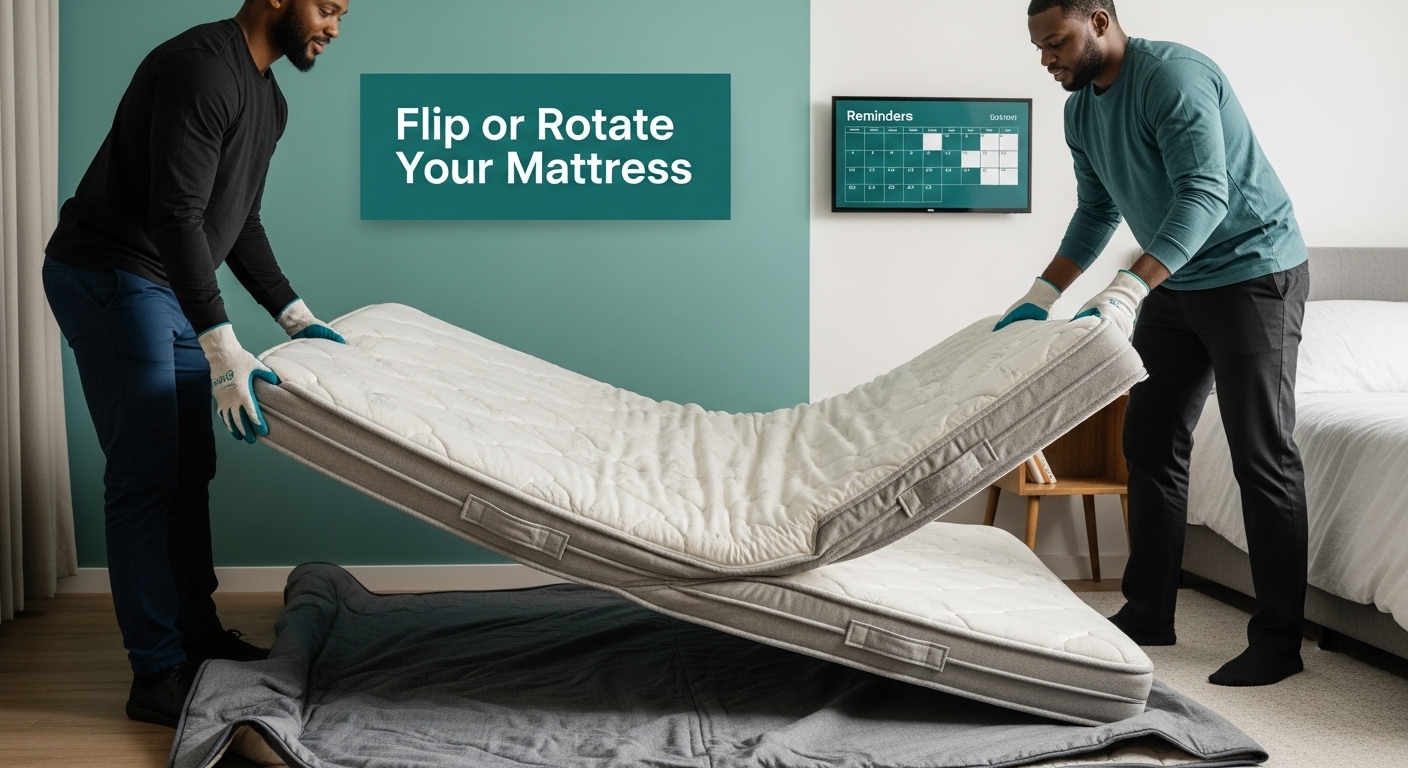
Carefully lift one side of the mattress with a smooth, controlled motion, using your legs for support rather than straining your back. If the mattress is particularly heavy, seek assistance to prevent potential injury or damage. For single-sided mattresses, you will want to rotate 180 degrees instead of completely flipping. Some mattresses have specific directional indicators or labels that guide proper orientation.
Position yourself at one end of the mattress, gripping the corners firmly. Lift slightly and shift the mattress in a deliberate, controlled manner. Avoid dragging the mattress across the floor, as this can cause unnecessary friction and potential damage to both the mattress and your flooring. Check out our guide on packing bedding for additional tips on handling bedroom textiles carefully.
Special Considerations and Precautions
Different mattress types require nuanced approaches. Memory foam mattresses typically should not be flipped, as they are designed with specific layering that works best in one orientation. Innerspring and hybrid mattresses generally benefit most from regular flipping. Pay close attention to the manufacturer’s specific recommendations, which are often printed on tags or included in original documentation.
If you notice significant resistance or unusual sounds while moving the mattress, pause and reassess. Unusual bumping, crackling, or excessive flexibility might indicate underlying structural issues that require professional assessment. Take your time during this process, moving methodically and paying attention to how the mattress responds to movement.
Verification Checklist
To confirm you have successfully flipped or rotated your mattress, ensure you have:
- Lifted and moved the mattress smoothly without dragging
- Positioned the mattress in the correct orientation
- Verified the mattress is centered on the bed frame
- Checked for any unusual sounds or resistance during movement
- Confirmed you followed manufacturer-specific guidelines
By executing a careful, deliberate mattress flipping or rotation, you contribute significantly to maintaining your mattress’s comfort, support, and overall longevity.
Step 5: Verify Mattress Quality After Flipping
After successfully flipping or rotating your mattress, a thorough quality verification becomes essential to ensure optimal performance and comfort. This critical step helps you identify any potential issues that might have developed during the flipping process or existed prior to maintenance.
Visual and Physical Inspection
Carefully examine the entire mattress surface, looking for any new irregularities or changes that might have occurred during flipping. Run your hands across the surface, feeling for unexpected lumps, dips, or areas of uneven compression. Pay special attention to the corners and edges, which can sometimes experience additional stress during movement. Unusual bumps or sudden changes in mattress texture could indicate underlying structural problems that require closer examination.
Check the mattress alignment on the bed frame. Ensure it is centered correctly and sits evenly without any overhang or misalignment. Slight shifts during flipping can sometimes cause subtle positioning issues that might impact overall sleeping comfort. Our guide on mattress return policies provides additional insights for addressing potential mattress quality concerns.
Performance and Comfort Assessment
The true test of your mattress flipping comes with actual usage. Spend the next few nights paying close attention to your sleeping experience. Notice any changes in comfort, support, or pressure distribution. A successful flip should feel relatively consistent with your previous sleeping experience, with potentially improved evenness across the mattress surface.
Listen for any unusual sounds when you first lie down or move on the mattress. Unexpected creaking, shifting, or unusual noises might indicate structural issues that were not immediately visible during the physical inspection. If you share the bed with a partner, discuss whether they notice any significant changes in mattress feel or support.
Verification Checklist
To confirm you have successfully verified your mattress quality after flipping, ensure you have:
- Conducted a thorough visual surface inspection
- Checked mattress alignment on the bed frame
- Felt for any new irregularities or unexpected changes
- Tested mattress comfort over several nights
- Noted any unusual sounds or performance changes
- Confirmed overall mattress stability and support
By meticulously verifying your mattress quality after flipping, you protect your investment and ensure continued comfortable, restorative sleep. Remember that ongoing observation is key to maintaining mattress performance over time.
Upgrade Your Mattress Care and Sleep Like Never Before
Is your current mattress flipping schedule not delivering the restful nights you deserve? Maybe you have spotted lumps, dips, or just feel that your mattress support is not what it used to be. If uneven wear and comfort disruptions are familiar pain points for you, now is the time to take control with solutions that truly last. Enhance the protection and lifetime of your mattress with a quality Mattress Protector and discover options designed to suit your needs, whether you need a single size or an upgrade for the whole family.

Stop settling for restless nights and start enjoying true comfort today. Visit Comfy Beds for exclusive factory-low prices on trusted brands and explore our Single Mattresses collection. Invest in your sleep routine now for noticeable improvements in how you rest and feel each day.
Frequently Asked Questions
How often should I flip my mattress?
Flipping frequency depends on the mattress type. Innerspring mattresses benefit from flipping every three to six months, while memory foam and latex mattresses should typically be rotated instead. Always check your mattress manufacturer’s recommendations.
Can I rotate a one-sided mattress?
One-sided mattresses should not be flipped but can still be rotated 180 degrees to promote even wear. Check for any specific instructions from the manufacturer for your particular mattress model.
What signs indicate that my mattress needs to be flipped or rotated?
Visible sagging, indentations, or uneven areas on the mattress surface are signs that it requires flipping or rotating. Additionally, mattresses older than five to seven years should be assessed for wear and may benefit from more regular rotation.
What tools do I need to flip or rotate my mattress safely?
Essential tools include a sturdy pair of work gloves for better grip and potentially a helper, especially if your mattress is heavy. Make sure to prepare your space by clearing surrounding furniture to avoid injuries during the flipping process.
Recommended
- Essential Mattress Care Instructions for Longevity – Comfy Beds
- Buying A New Mattress Comfortable and Stylish
- Beds That Transform Your Sleep: Ultimate Comfort Awaits
- Beds That Transform Your Sleep: Ultimate Comfort Awaits
- Complete Camp Mattress Cleaning Guide for Outdoor Comfort – Hazli Collection
- 15 conseils pour mieux dormir et sublimer votre peau en 2025
