
Moving a mattress sounds simple enough, right? Yet, improper lifting causes thousands of back injuries each year in South Africa. Surprisingly, it is not the weight that trips most people up. It is the little things like crooked doorways, tight staircases, and unplanned routes that turn an easy move into a disaster.
Table of Contents
- Step 1: Assess Your Mattress And Surroundings
- Step 2: Gather Necessary Tools And Materials
- Step 3: Prepare The Mattress For Moving
- Step 4: Safely Lift And Carry The Mattress
- Step 5: Secure The Mattress In The Vehicle
- Step 6: Unload And Position The Mattress In The New Location
Quick Summary
| Key Point | Explanation |
|---|---|
| 1. Assess mattress and surroundings carefully | Measure dimensions and condition to ensure safe transport and prevent damage during relocation. |
| 2. Gather protective tools and materials | Use mattress bags, dollies, and securing straps to safeguard the mattress during the move. |
| 3. Clean and inspect the mattress | Vacuum surfaces and repair minor damages before wrapping to maintain integrity during transport. |
| 4. Use proper lifting techniques | Lift collaboratively and use legs for strength to avoid personal injuries while moving the mattress. |
| 5. Secure the mattress in the vehicle | Lay it flat and use strong straps to prevent shifting and damage during transit. |
Step 1: Assess Your Mattress and Surroundings
Before you start moving your mattress, a thorough assessment of your mattress and surrounding environment is crucial for a smooth and safe relocation. Understanding the specifics of your mattress and the spaces it needs to navigate will help prevent potential damage and make the entire moving process significantly easier.
Begin by carefully examining your mattress for its size, condition, and weight. Measure its exact dimensions using a tape measure and record these details. Pay special attention to the mattress type, whether it is an innerspring, memory foam, latex, or hybrid model, as each requires slightly different handling techniques. Check for any existing tears, stains, or structural weaknesses that might impact its transportability. If your mattress shows signs of significant wear, you might want to consider replacing it during the move.
Next, survey the rooms and pathways through which the mattress will travel. Measure doorways, hallways, staircases, and potential vehicle entry points to ensure your mattress can pass through without complications. Remove obstacles like furniture, decorative items, or loose rugs that could impede movement or cause tripping hazards. Learn more about protecting your mattress during relocation to minimize potential damage.
Tools and resources you will need for this assessment include:
- Tape measure
- Notepad or smartphone for recording measurements
- Flashlight (for inspecting mattress details)
- Camera or smartphone (to document mattress condition)
By meticulously assessing your mattress and surroundings beforehand, you create a strategic plan that reduces risks and ensures a successful move. Proper preparation transforms what could be a challenging task into a manageable and efficient process.
Step 2: Gather Necessary Tools and Materials
Preparing the right tools and materials is a critical step in ensuring a smooth and safe mattress move. The equipment you collect will protect your mattress, make transportation easier, and prevent potential damage during the relocation process. Professional movers understand that proper preparation can significantly reduce the risk of complications.
Protective Covering Materials are your first line of defense. You will need a high-quality mattress bag or heavy-duty plastic covering that completely encases the mattress, protecting it from dirt, moisture, and potential tears. Select a bag specifically designed for your mattress size – single, double, queen, or king. Waterproof mattress bags provide an extra layer of protection against unexpected spills or outdoor moisture. Check out our guide on mattress protection for additional insights into preserving your mattress during transport.
Moving equipment is equally important for a successful relocation. A furniture dolly or hand truck will be invaluable, especially when moving mattresses through tight spaces or up and down stairs. Look for a dolly with robust wheels capable of supporting significant weight. Ratchet straps or strong rope can help secure the mattress during transportation, preventing shifting and potential damage. Additional recommended tools include:
- Heavy-duty packing tape
- Scissors
- Measuring tape
- Work gloves
- Cardboard sheets (for additional protection)
Consider the physical demands of mattress moving. If your mattress is large or heavy, recruit at least one additional person to help. Two people can distribute the weight more evenly and navigate challenging spaces more safely. Remember that improper lifting can lead to personal injury, so use proper lifting techniques: bend at the knees, keep your back straight, and lift with your legs, not your back.
Before finalizing your preparation, do a final equipment check. Ensure all materials are clean, undamaged, and appropriate for your specific mattress type and moving conditions. By methodically gathering the right tools and materials, you set the stage for a successful and stress-free mattress move.
This table organises the recommended tools and materials for mattress moving, along with their purposes and tips for effective use.
| Tool or Material | Purpose | Usage Tip |
|---|---|---|
| Mattress bag/cover | Protects mattress from dirt, moisture | Choose waterproof and size-appropriate |
| Furniture dolly | Helps transport heavy mattress | Use robust wheels for stairs/rough surfaces |
| Ratchet straps/rope | Secures mattress during transport | Fasten to solid vehicle anchors |
| Packing tape | Seals protective covering | Use extra tape for tighter seal |
| Scissors | Cuts tape and covering | Keep on hand throughout move |
| Measuring tape | Ensures proper spacing and fit | Double-check all access points |
| Work gloves | Protects hands during lifting | Wear for better grip and safety |
Step 3: Prepare the Mattress for Moving
Preparing your mattress for moving is a delicate process that requires careful attention to detail and strategic protection. This critical step ensures your mattress remains clean, intact, and undamaged throughout the transportation journey. The goal is to create a protective barrier that shields your mattress from potential dirt, moisture, and physical stress.
Begin by thoroughly cleaning the mattress surface using a powerful vacuum cleaner with an upholstery attachment. Remove all bedding, sheets, and any loose items, paying special attention to seams and crevices where dust and debris might accumulate. Vacuum both sides of the mattress thoroughly, ensuring you eliminate any dirt, dust mites, or potential contaminants before packaging. Learn more about proper mattress preparation techniques to maintain its quality during relocation.
Once cleaned, inspect the mattress for any existing damages such as tears, loose threads, or weak spots. Small imperfections can worsen during transportation, so address minor repairs before moving. If you discover significant damage, consider consulting a professional or potentially replacing the mattress. For memory foam or latex mattresses, take extra care to avoid folding or bending, which can permanently damage their internal structure.
The next crucial step involves protective packaging. Select a high-quality, appropriately sized mattress bag that completely encases your mattress. Ensure the bag is:
- Thick and puncture-resistant
- Large enough to fully cover the mattress without stretching
- Sealed with strong packing tape at all openings
- Free from previous tears or compromised areas
When placing the mattress into the protective bag, work slowly and carefully to avoid creating unnecessary stress on the material. Seal the bag tightly, removing as much air as possible to create a compact, secure package. This method not only protects against external contaminants but also helps maintain the mattress’s structural integrity during the move.
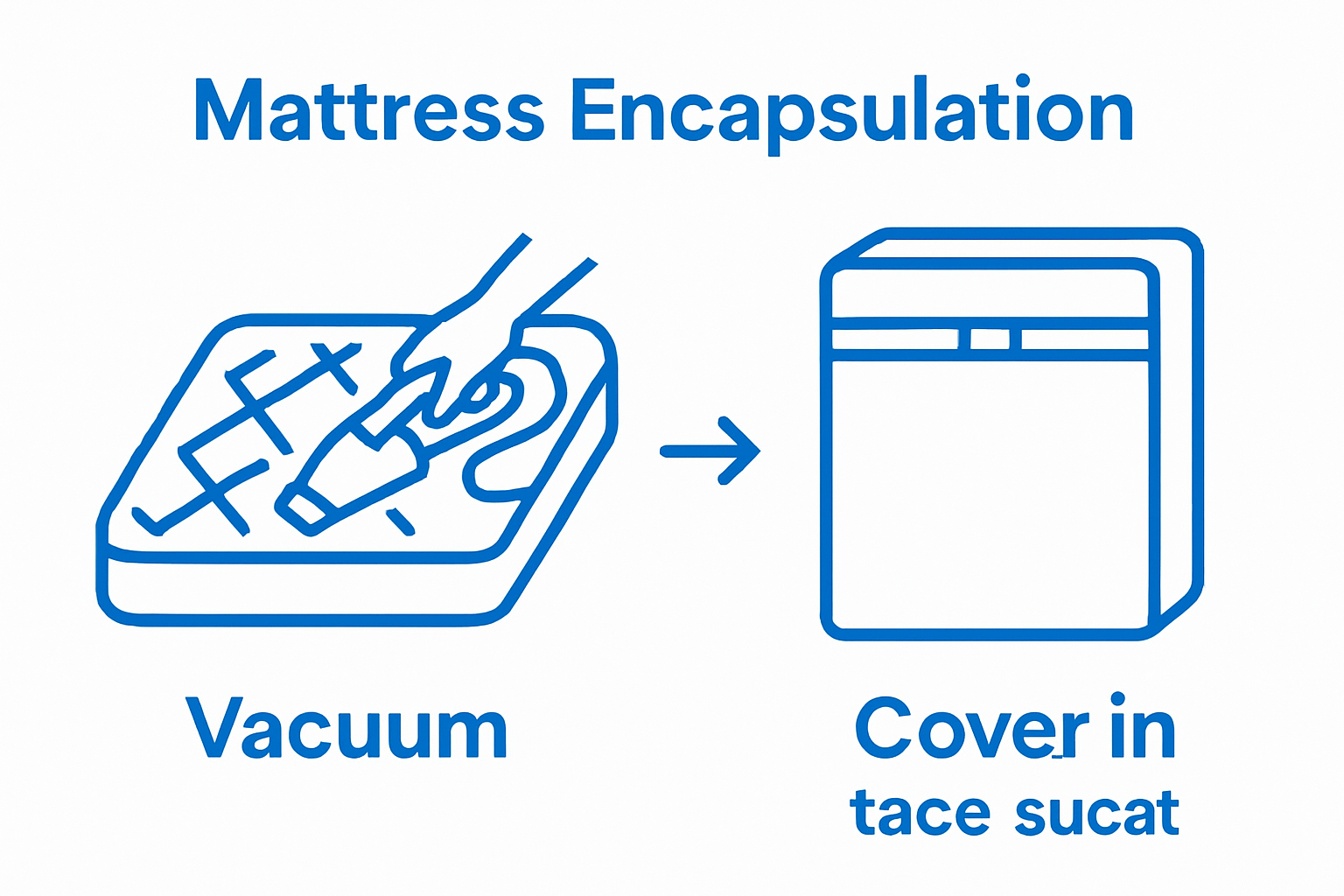
By meticulously preparing your mattress, you significantly reduce the risk of damage and ensure a smoother, more successful relocation process.
Step 4: Safely Lift and Carry the Mattress
Lifting and carrying a mattress requires strategic planning, teamwork, and careful technique to prevent personal injury and potential mattress damage. The process demands more than simple physical strength – it requires coordination, communication, and mindful movement through potentially challenging spaces.
Team lifting is absolutely essential when moving a mattress, particularly for larger sizes like queen or king. One person should position themselves at the head of the mattress, and another at the foot, ensuring balanced weight distribution. Communication is key – establish clear verbal signals before lifting, such as countdown phrases like “ready, lift” to synchronize your movements. Discover expert techniques for safe furniture moving to minimize risks during relocation.
Physical technique matters significantly when lifting. Position your body close to the mattress, bend your knees, and lift using your leg muscles rather than your back. Keep your spine straight and core engaged throughout the lifting process. Avoid twisting movements while carrying the mattress, as this can cause unexpected strain or potential injury. If the mattress feels too heavy or awkward, pause and reassess your approach.
Navigating through doorways, hallways, and staircases requires additional strategy. Consider these critical considerations:
- Always keep the mattress vertical when moving through narrow spaces
- Move slowly and communicate continuously with your lifting partner
- Take breaks if the load becomes too heavy or unwieldy
- Use a furniture dolly for longer distances if possible
For individuals moving alone or with limited physical capacity, consider hiring professional movers or recruiting additional help. Attempting to move a mattress solo can lead to personal injury or mattress damage. Your safety and the integrity of your mattress should always be the primary concern during the moving process. By approaching the lift with careful preparation, teamwork, and mindful technique, you can successfully transport your mattress without complications.
Step 5: Secure the Mattress in the Vehicle
Securing your mattress in a vehicle is a critical step that requires careful planning and execution to prevent damage during transportation. The goal is to minimize movement, protect the mattress from external elements, and ensure safe travel regardless of road conditions. Proper positioning and restraint are key to successful mattress transportation.
Choose your vehicle wisely, considering the mattress size and available space. Ideally, use a covered bakkie, enclosed trailer, or large SUV with sufficient room to lay the mattress flat. Laying the mattress horizontally is always preferable to standing it vertically, as this reduces stress on the internal structure and prevents potential warping. If horizontal placement isn’t possible, position the mattress on its side, ensuring it’s supported evenly and doesn’t lean at dangerous angles. Explore our comprehensive guide to safe furniture moving for additional insights.
Utilize ratchet straps or strong rope to secure the mattress firmly. Attach these to solid anchor points in the vehicle, creating multiple contact points to prevent sliding or shifting during movement. Avoid using bungee cords, which can stretch and provide inadequate support. If using a bakkie, consider placing the mattress on a clean, flat surface and use padding between the mattress and vehicle bed to prevent potential scratches or tears.
Pay attention to these critical securing considerations:
- Use at least four anchor points for maximum stability
- Ensure straps are tight but not so compressed that they damage the mattress
- Cover the mattress with a waterproof tarp if outdoor exposure is possible
- Check and retighten straps periodically during longer journeys
Before departing, conduct a final inspection. Gently shake the mattress to test its stability, ensuring it doesn’t move more than a few centimeters in any direction. Drive carefully, avoiding sudden stops or sharp turns that could compromise the mattress’s position. By methodically securing your mattress, you protect your investment and ensure a safe, damage-free transportation experience.

Step 6: Unload and Position the Mattress in the New Location
Unloading and positioning your mattress requires the same careful attention and strategic approach you employed during the transportation process. This final stage is crucial for maintaining the mattress’s integrity and ensuring it remains in optimal condition for future use. The key is to move deliberately and thoughtfully, avoiding any sudden movements or unnecessary stress on the mattress structure.
Begin by carefully removing the mattress from the vehicle, maintaining the same team lifting technique used during loading. Communicate clearly with your lifting partner, ensuring you both understand the path and final destination. Clear the route beforehand, removing any obstacles that might impede smooth movement. If stairs are involved, one person should guide from the bottom while the other controls the top of the mattress, maintaining a steady, controlled descent or ascent. Discover expert techniques for mattress placement to protect your investment.
Once inside the room, identify the ideal positioning for your mattress. Ensure the surface where the mattress will rest is clean, flat, and capable of providing proper support. For bed frames, verify that all slats or support structures are intact and evenly spaced. Avoid placing the mattress directly on the floor for extended periods, as this can trap moisture and potentially damage the mattress bottom. If using a new bed frame, assemble it completely before introducing the mattress.
Consider these critical positioning guidelines:
- Allow the mattress to breathe and return to its natural shape
- Remove protective packaging carefully to prevent accidental tears
- Rotate the mattress 180 degrees if recommended by manufacturer
- Inspect for any potential damage that might have occurred during transit
After positioning, take a moment to carefully remove the protective covering. Inspect the mattress thoroughly for any signs of damage, such as tears, compression marks, or unusual odors. If you notice any significant issues, document them immediately for potential insurance or moving company claims. By approaching the unloading and positioning process with patience and precision, you ensure your mattress remains in pristine condition, ready to provide comfortable support in its new home.
Below is a comprehensive checklist table to help you verify each stage of the mattress moving process and ensure nothing important is overlooked.
| Stage | Key Task | Completion Check |
|---|---|---|
| Assessment | Measured mattress and pathways | [ ] Completed |
| Tools & Materials | Gathered protective covers, straps, dolly | [ ] Collected |
| Mattress Preparation | Cleaned and vacuumed mattress | [ ] Done |
| Protection | Mattress fully encased and sealed | [ ] Secured |
| Lifting & Carrying | Used proper team lifting techniques | [ ] Followed |
| Securing in Vehicle | Mattress tied down and protected | [ ] Checked |
| Unloading & Positioning | Inspected mattress post-move | [ ] Inspected |
Ready to Move Your Mattress Without Stress? Protect It and Upgrade with Comfy Beds
Moving your mattress in Gauteng should not be stressful or risky. As highlighted in this guide, protecting your mattress from dirt, moisture, and accidental damage is a must during relocation. Many people realise too late that their old mattress cannot withstand another move or discover avoidable wear and tear from a lack of a proper mattress protector. Safe moving starts with the right protection and ends with maximum comfort in your new space. Find the perfect fit for every size and budget in our range of mattress protectors and see instantly how easy it is to keep your mattress safe from Gauteng’s dust and damp.

Take action now. Explore Comfy Beds for factory-low prices on top-quality beds, mattresses, and accessories. If your mattress is damaged or you want extra comfort after the move, discover our selection of Single Mattresses and Queen Mattresses. Upgrade your sleep and make your move a success. Shop now to enjoy superior support and peace of mind in your new home in Gauteng.
Frequently Asked Questions
How do I determine the size of my mattress before moving it?
To determine the size of your mattress, measure its length, width, and depth using a tape measure. Record these dimensions and ensure you account for the mattress type, whether it’s single, double, queen, or king.
What protective materials do I need for moving a mattress?
You will need a high-quality mattress bag or heavy-duty plastic covering designed for your mattress size. Additionally, consider using packing tape, straps, and padding materials to protect the mattress from dirt, moisture, and physical damage during the move.
How can I safely lift and carry a heavy mattress?
To safely lift and carry a heavy mattress, always engage in team lifting with another person, keeping the mattress vertical when moving through narrow spaces. Bend your knees and lift with your legs, not your back. Communicate clearly with your partner to coordinate movements.
What should I do if my mattress shows signs of damage before moving?
If your mattress shows signs of significant damage such as tears or structural weaknesses, consider repairing small imperfections or consulting a professional for larger issues. Depending on the extent of the damage, it may be practical to replace the mattress before moving.
