
Choosing bedding for sensitive skin in Gauteng is not just about picking the softest sheet on the rack. You might think any cotton set will do, but here is the shocker. Standard bedding often contains chemicals like formaldehyde and bleach, which are known to trigger allergic reactions in up to 20 percent of people with sensitive skin. The best bedding for true skin comfort does so much more than feel nice. It should shield, soothe, and stay clean even in Gauteng’s unpredictable temps.
Table of Contents
- Why Sensitive Skin Needs Special Bedding
- Top Bedding Materials for Sensitive Skin
- Choosing Hypoallergenic Bedding in Gauteng
- Care Tips to Keep Bedding Skin-Friendly
Quick Summary
| Takeaway | Explanation |
|---|---|
| Choose natural fibers for bedding. | Natural fibers like organic cotton and bamboo provide superior comfort and breathability, minimizing irritation for sensitive skin. |
| Select hypoallergenic bedding materials. | Opt for bedding that is specifically labeled hypoallergenic to reduce exposure to allergens like dust mites and pollen. |
| Wash bedding weekly in hot water. | Regular washing at high temperatures helps eliminate dust mites and allergens, crucial for maintaining skin health. |
| Use gentle, skin-friendly detergents. | Choose hypoallergenic and fragrance-free detergents to avoid skin irritations caused by harsh chemicals and residues. |
| Protect bedding between washes. | Utilize mattress and pillow protectors and air out bedding to maintain hygiene and extend the life of your fabrics. |
Why Sensitive Skin Needs Special Bedding
People with sensitive skin face unique challenges when it comes to selecting bedding, and understanding these challenges is crucial for maintaining skin health and comfort. Skin experts reveal that the wrong bedding can trigger a cascade of skin irritations, allergic reactions, and persistent discomfort.
The Hidden Risks of Standard Bedding Materials
Standard bedding often contains synthetic materials, harsh chemical treatments, and rough fabrics that can wreak havoc on sensitive skin. Conventional cotton sheets frequently undergo extensive processing with harsh chemicals like formaldehyde and bleach, which can cause significant skin reactions. Medical research from dermatological studies indicates that individuals with sensitive skin are significantly more susceptible to contact dermatitis and allergic responses when exposed to these potentially irritating materials.
The microscopic texture of bedding plays a critical role in skin sensitivity. Rough fabric weaves can create micro-abrasions on the skin, leading to irritation, inflammation, and increased sensitivity. Natural fibers with smoother, more refined textures become essential for those prone to skin sensitivities.
Understanding Skin Sensitivity and Fabric Interactions
Skin sensitivity is not just about immediate discomfort. Prolonged exposure to inappropriate bedding materials can compromise the skin’s protective barrier, leading to chronic inflammation and increased vulnerability to environmental triggers. Hypoallergenic materials become more than a comfort choice they represent a critical health consideration.
People with conditions like eczema, psoriasis, or general skin sensitivity require bedding that acts as a protective barrier. Breathable fabrics that minimize friction, regulate temperature, and resist moisture accumulation are paramount. Organic materials like bamboo, high-quality cotton with minimal chemical processing, and specially treated linens offer natural solutions that support skin health.
Choosing the Right Bedding for Skin Protection
Selecting appropriate bedding requires a nuanced understanding of fabric properties. Look for materials that are:
- Naturally hypoallergenic: Reducing potential allergic triggers
- Soft and smooth: Minimizing skin friction and irritation
- Moisture-wicking: Preventing bacterial growth and skin maceration
- Free from harsh chemical treatments: Eliminating potential irritants
For those seeking comprehensive skin protection, our guide to selecting skin-friendly bedding provides in-depth insights into making informed choices that prioritize both comfort and skin health.
Understanding the intricate relationship between bedding and skin sensitivity transforms what might seem like a simple purchasing decision into a critical aspect of personal wellness. By prioritizing materials that support skin health, individuals with sensitive skin can create a sleeping environment that nurtures and protects their most vulnerable organ.
Top Bedding Materials for Sensitive Skin
Dermatological research reveals that selecting the right bedding material is crucial for individuals with sensitive skin. Not all fabrics are created equal, and understanding the unique properties of different materials can significantly impact skin health and comfort.
Natural Fibers: The Gold Standard for Sensitive Skin
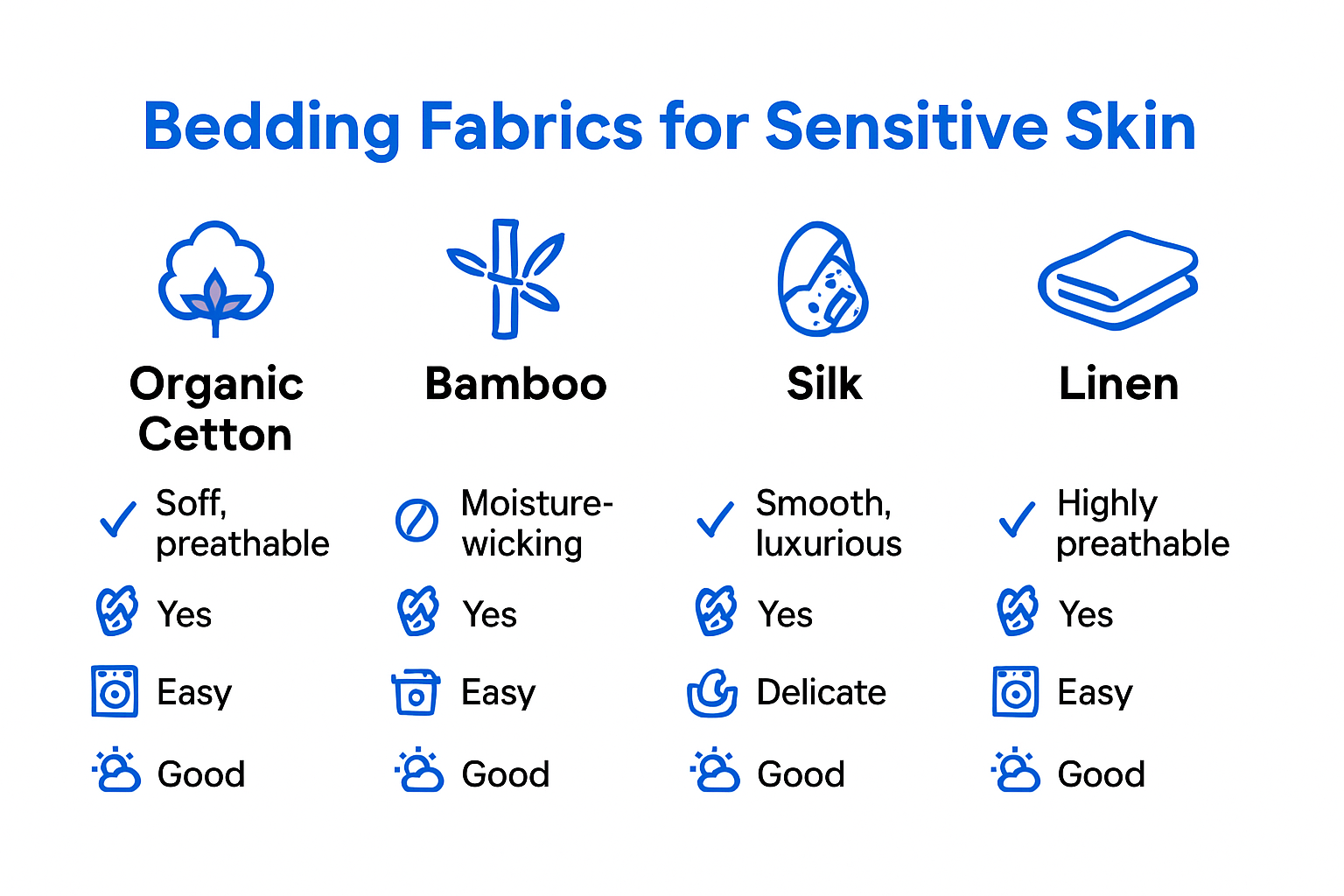
Natural fibers emerge as the premier choice for those with sensitive skin, offering breathability, softness, and minimal irritation. Organic cotton stands out as a top performer, providing exceptional comfort with its smooth, hypoallergenic properties. Medical experts recommend 100% organic cotton sheets that are free from harsh chemical treatments, which can trigger skin reactions.
Bamboo fabric represents another exceptional option for sensitive skin. Its natural antimicrobial properties and incredible softness make it an ideal choice for individuals prone to skin irritations. The fabric’s moisture-wicking capabilities help regulate body temperature and prevent bacterial growth, creating a protective sleeping environment.
Advanced Fabric Technologies for Skin Protection
Silk emerges as a luxurious and scientifically backed option for those with sensitive skin. Its smooth, protein-based fibers create minimal friction against the skin, reducing the potential for irritation. The natural temperature-regulating properties of silk ensure comfort throughout the night, making it an excellent choice for individuals with conditions like eczema or chronic skin sensitivity.
Linen presents another outstanding material for sensitive skin. Derived from flax plant fibers, linen offers exceptional breathability and natural antimicrobial properties. Its unique molecular structure allows for superior moisture management, keeping the skin cool and reducing the risk of bacterial growth. Hypoallergenic qualities make linen an excellent choice for those with reactive skin conditions.
Innovative Bedding Considerations for Maximum Comfort
When selecting bedding for sensitive skin, beyond the material itself, additional factors become critical. Look for bedding with:
- Minimal chemical processing: Reducing potential irritants
- Tight, smooth weaves: Minimizing skin friction
- Certifications for organic and chemical-free production: Ensuring quality
Explore our comprehensive guide to skin-friendly bedding solutions to make informed choices that prioritize both comfort and skin health.
Ultimately, investing in the right bedding material is an investment in personal wellness. By understanding the unique properties of different fabrics and their interactions with sensitive skin, individuals can create a sleeping environment that nurtures, protects, and supports their skin’s natural balance.
To help you choose the most suitable bedding material for sensitive skin, here’s a comparison of the top fabric options discussed, highlighting their key features and benefits:
| Material | Key Features | Skin Benefits |
|---|---|---|
| Organic Cotton | Breathable, smooth, hypoallergenic | Minimises irritation, chemical-free |
| Bamboo | Antimicrobial, moisture-wicking | Cools skin, prevents bacteria |
| Silk | Smooth, protein-based fibre | Reduces friction, soothes skin |
| Linen | Breathable, natural antimicrobial | Manages moisture, resists allergens |
Choosing Hypoallergenic Bedding in Gauteng
Research indicates that selecting the right hypoallergenic bedding is crucial for individuals with sensitive skin, particularly in regions like Gauteng with diverse environmental conditions. Understanding how to navigate local bedding options requires a strategic approach that considers both personal health needs and regional climate factors.
Understanding Hypoallergenic Bedding Essentials
Hypoallergenic bedding goes beyond simple fabric selection. It represents a comprehensive approach to creating a sleeping environment that minimizes potential irritants and allergic triggers. Scientific studies demonstrate that properly chosen bedding can significantly reduce exposure to dust mites, pollen, and other microscopic allergens that frequently affect sensitive skin.
In Gauteng’s unique climate, which experiences both dry winters and humid summers, selecting bedding that adapts to changing environmental conditions becomes paramount. Breathable materials that offer moisture-wicking properties help regulate body temperature and prevent the accumulation of allergens that thrive in humid environments.
Local Considerations for Hypoallergenic Bedding
Gauteng residents face specific challenges when selecting hypoallergenic bedding. The region’s variable climate means bedding must perform consistently across different seasons. Look for materials that offer:
- Temperature regulation: Adapting to both hot and cool weather
- Moisture management: Preventing bacterial and dust mite growth
- Quick-drying capabilities: Essential in humid conditions
Organic cotton and bamboo fabrics emerge as top choices, offering natural hypoallergenic properties that are particularly suitable for the local environment. These materials provide excellent breathability and resist the buildup of moisture and allergens.
Practical Selection Strategies for Sensitive Skin
When shopping for hypoallergenic bedding in Gauteng, consider additional protective measures. Mattress and pillow encasements with tightly woven fabrics can provide an extra layer of protection against dust mites and other potential irritants. Certification matters – look for bedding with verified hypoallergenic and organic production standards.
Explore our comprehensive bedding selection guide to find the perfect hypoallergenic solutions tailored to Gauteng’s unique living conditions.
Ultimately, choosing hypoallergenic bedding is an investment in personal health and comfort. By understanding local environmental factors and selecting materials designed to minimize allergic responses, Gauteng residents can create a sleeping environment that supports their sensitive skin and overall well-being.
Care Tips to Keep Bedding Skin-Friendly
Dermatological research highlights that proper bedding maintenance is crucial for individuals with sensitive skin. Beyond selecting the right materials, how you care for your bedding can significantly impact skin health and comfort.
Washing Techniques for Sensitive Skin Protection
Proper laundering is the first line of defense in maintaining skin-friendly bedding. Expert recommendations emphasize using gentle, hypoallergenic detergents free from harsh chemicals, fragrances, and potential irritants. Opt for liquid detergents specifically designed for sensitive skin, which minimize residue and chemical buildup that can trigger skin reactions.
Washing frequency becomes critical for those with sensitive skin. Bedding should be laundered weekly in hot water (around 60 degrees Celsius) to effectively eliminate dust mites, bacteria, and potential allergens. Temperature matters – higher water temperatures help destroy microscopic irritants that can accumulate in fabric fibers.
Advanced Bedding Maintenance Strategies
Beyond regular washing, additional maintenance techniques can protect sensitive skin. Use a second rinse cycle to ensure complete removal of detergent residues that might cause irritation. Consider using white vinegar as a natural fabric softener, which helps remove soap buildup and maintains fabric softness without introducing harsh chemicals.
Drying methods also play a crucial role. Choose low heat settings or air-drying to prevent fabric damage and minimize potential chemical interactions. Avoid fabric softeners and dryer sheets, which often contain synthetic fragrances and chemicals that can irritate sensitive skin.
Protecting Your Bedding Between Washes
Implement protective strategies to maintain bedding hygiene between wash cycles. Use breathable mattress and pillow protectors that create a barrier against dust mites, sweat, and skin cells. These protective layers can be washed more frequently than entire bedding sets, providing an additional level of cleanliness.
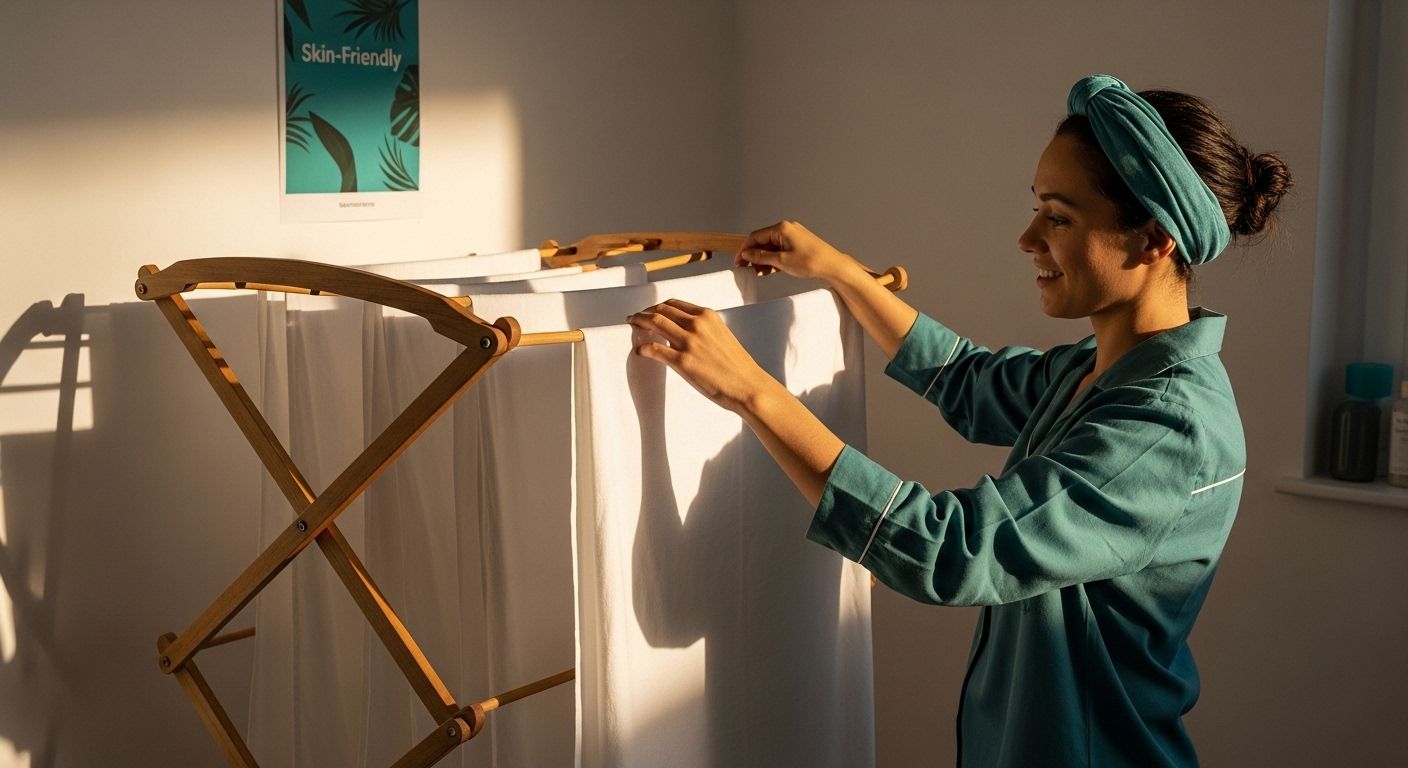
Rotate and air out bedding regularly. Expose sheets and pillowcases to sunlight when possible, as natural UV rays can help eliminate bacteria and refresh fabrics. Seasonal rotation of bedding can also help prevent excessive wear and maintain fabric integrity.
Learn more about comprehensive bedding care techniques to ensure your sleeping environment remains clean and skin-friendly.
Ultimately, caring for bedding is an ongoing process that requires attention and mindful practices. By implementing these strategies, individuals with sensitive skin can create a clean, comfortable, and irritation-free sleeping environment that supports their overall skin health and well-being.
Proper care is crucial for keeping bedding safe for sensitive skin. Here’s a summary table outlining recommended maintenance strategies and their benefits, as discussed in the care section:
| Care Step | What to Do | Benefit for Sensitive Skin |
|---|---|---|
| Use gentle detergents | Choose hypoallergenic, fragrance-free | Prevents chemical irritation |
| Wash weekly in hot water | 60°C recommended | Kills bacteria and dust mites |
| Second rinse cycle | Extra rinse after washing | Removes detergent residue |
| Skip softeners/dryer sheets | Avoid fabric softeners & dryer sheets | Reduces exposure to harsh chemicals |
| Use bedding protectors | Add mattress & pillow covers | Shields from dust mites/allergens |
| Air & sun bedding | Air out and expose to sunlight | Eliminates bacteria naturally |
Frequently Asked Questions
What bedding materials are best for sensitive skin?
Natural fibers like organic cotton and bamboo are considered the best options for sensitive skin due to their breathability, softness, and hypoallergenic properties. These materials minimize irritation and help maintain skin health.
How often should I wash bedding for sensitive skin?
Bedding for sensitive skin should be washed weekly in hot water (around 60 degrees Celsius) to effectively eliminate dust mites, bacteria, and allergens that can cause skin irritations.
What should I look for in hypoallergenic bedding?
When choosing hypoallergenic bedding, look for materials that are naturally soft and smooth, moisture-wicking, and free from harsh chemical treatments. Certifications indicating organic or chemical-free production are also important.
Are there specific care tips for maintaining bedding for sensitive skin?
Yes, use gentle, hypoallergenic detergents, opt for a second rinse cycle to remove residues, and avoid fabric softeners and dryer sheets. Additionally, consider using bedding protectors and regularly airing out your linens to keep them clean and skin-friendly.
Reclaim Comfort and Skin Health with the Right Bedding
If sensitive skin or allergies have made restful sleep a challenge, you now know that not all bedding is created equal. Gauteng’s diverse climate and the hidden risks in standard materials can turn your nights into a daily struggle. At Comfy Beds, you will find quality bed accessories that match the exact needs described in this article. Our Bed Accessories collection features hypoallergenic and skin-friendly bedding options made to protect sensitive skin while keeping you cool and comfortable all night.

Discover better sleep by shopping online at Comfy Beds today. Do not wait until irritation or sleeplessness takes its toll. Find your best bedding for sensitive skin right here and experience the difference with products trusted by South Africans at factory-low prices.
Recommended
- Best Bedding for Winter in Gauteng 2025: Warmth and Comfort Choices – Comfy Beds
- Mattress Shopping Tips for Gauteng: 2025 Buyer’s Guide – Comfy Beds
- Cot Mattress Safety in Gauteng: 2025 Buying Guide – Comfy Beds
- Do Mattresses Expire? Guide for Gauteng Buyers 2025 – Comfy Beds
- Translucent Materials – Urban Studio Designs