
Choosing the right cot mattress in Gauteng is about far more than good sleep. The risks are real and surprising. A mattress that’s too soft can increase the chance of infant suffocation by as much as 50 percent. You would think the plushest mattress means comfort and care. Turns out, the safest choice is a firm, snug fit that leaves no room for surprise gaps or wobble. The difference could literally be life or death.
Table of Contents
- Understanding Cot Mattress Safety Standards
- Choosing The Safest Cot Mattress Materials
- Local Guidelines For Gauteng Buyers
- Tips For Maintaining A Safe Cot Mattress
Quick Summary
| Takeaway | Explanation |
|---|---|
| Ensure Firmness of Cot Mattresses | A mattress must be firm to prevent suffocation risks for infants. Soft mattresses can create dangerous indentations. |
| Choose Natural Materials for Safety | Opt for natural fibers like organic cotton, which offer breathability and reduce allergy risks compared to synthetic materials. |
| Verify Compliance with Local Standards | Check that the cot mattress meets South African Bureau of Standards (SABS) regulations for safety and quality assurance. |
| Perform Regular Mattress Inspections | Conduct consistent checks for wear, firmness, and fit to maintain a safe sleeping environment for your infant. |
| Replace Mattresses Every 3-5 Years | Monitor the mattress condition and replace it when it shows significant wear or structural issues to ensure safety. |
Understanding Cot Mattress Safety Standards
Cot mattress safety represents a critical aspect of infant care that demands careful consideration and informed decision making. Parents and caregivers must prioritize safety standards to protect their most vulnerable family members from potential risks associated with improper sleeping environments.
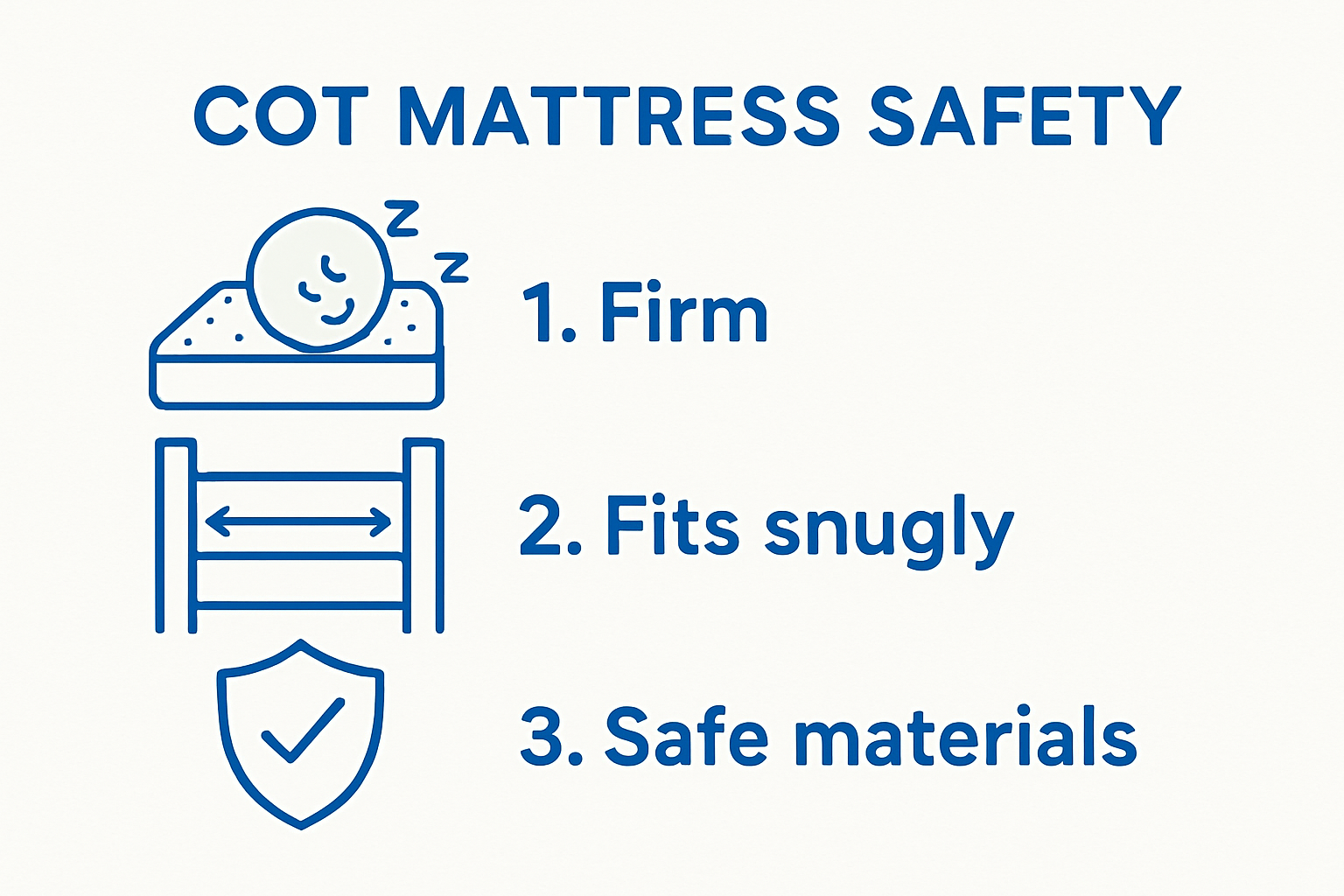
Critical Safety Parameters for Infant Mattresses
Safety begins with understanding fundamental design requirements. Research from the U.S. Consumer Product Safety Commission reveals specific guidelines that are paramount in selecting a safe cot mattress. The primary considerations include mattress firmness, precise sizing, and material composition. A mattress that is too soft can create dangerous indentation risks, potentially compromising an infant’s breathing space.
Key safety parameters include:
- Firmness Requirement: Mattresses must be firm enough to prevent excessive sinking when an infant is placed on the surface.
- Precise Fit: The mattress should fit snugly within the cot frame, eliminating potential entrapment zones.
- Material Safety: Non-toxic materials that meet stringent chemical safety standards are essential.
Compliance with Professional Medical Recommendations
According to the American Academy of Pediatrics, infant sleep environments must adhere to specific safety protocols to minimize risks of sudden infant death syndrome (SIDS) and suffocation. Their guidelines emphasize the importance of a firm, flat sleeping surface that provides consistent support.
Infant mattress safety involves multiple interconnected factors. Beyond physical construction, parents must consider ventilation, temperature regulation, and potential allergen risks. Mattresses should facilitate optimal air circulation while maintaining a stable thermal environment that prevents overheating.
While purchasing a cot mattress, consumers should scrutinize certification labels, verify compliance with national safety standards, and understand the specific characteristics that contribute to infant sleep safety. Check out our guide on selecting protective bedding to complement your mattress safety strategy.
Parents must remain vigilant and informed, recognizing that mattress safety is not a static concept but an evolving field of pediatric research and product design. Regular assessments of mattress condition, immediate replacement of worn or damaged surfaces, and staying updated on the latest safety recommendations are crucial steps in maintaining a secure sleeping environment for infants.
Choosing the Safest Cot Mattress Materials
Selecting the right materials for a cot mattress is a critical decision that directly impacts infant health and safety. Parents must navigate complex considerations beyond aesthetic appeal, focusing on materials that provide optimal protection, comfort, and hygienic conditions for their newborns.
Natural vs Synthetic Mattress Materials
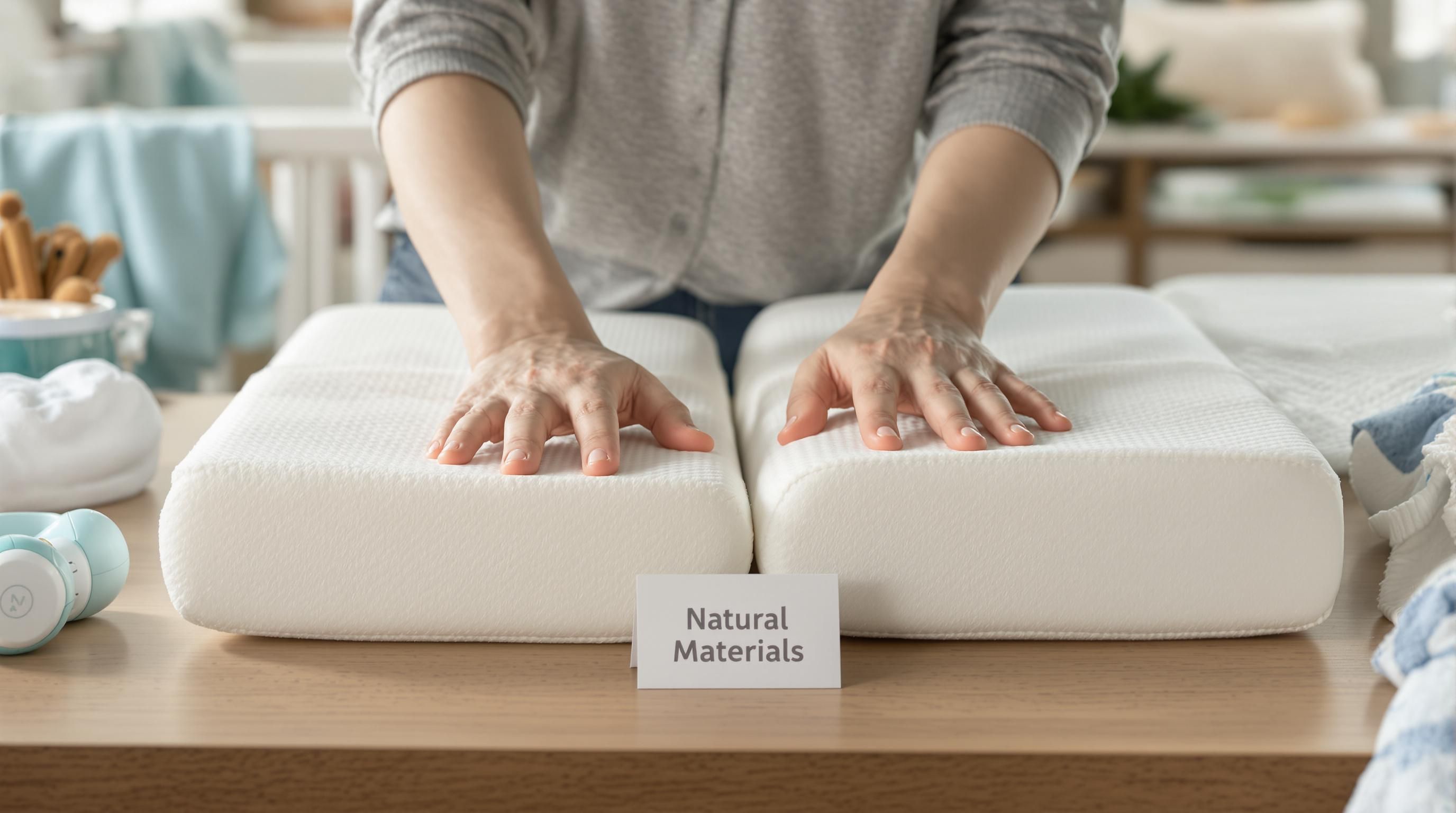
Research from the Environmental Working Group highlights the importance of choosing mattress materials carefully. Natural materials like organic cotton, wool, and natural latex emerge as superior choices compared to synthetic alternatives. These organic materials offer several significant advantages:
- Breathability: Natural fibers provide superior air circulation, reducing heat retention.
- Hypoallergenic Properties: Organic materials minimize potential allergic reactions.
- Chemical-Free Composition: Less exposure to harmful synthetic chemical treatments.
To help you compare the key features of natural versus synthetic mattress materials for cot mattresses, see the table below:
| Feature | Natural Materials (e.g., Organic Cotton, Wool, Latex) | Synthetic Materials (e.g., Polyurethane, Memory Foam) |
|---|---|---|
| Breathability | High | Low |
| Hypoallergenic | Yes | Varies |
| Chemical Treatments | Minimal/None | Often Present |
| Risk of Overheating | Low | Higher |
| Environmental Impact | Low | High |
| Allergen Risk | Minimal | Potential |
Chemical Safety and Potential Health Risks
Scientific research published in PubMed reveals that certain mattress materials can harbor bacteria and potentially contribute to health risks. Synthetic materials like polyurethane foam and those treated with chemical flame retardants pose potential long-term health concerns for infants.
Parents should prioritize mattresses that:
- Avoid polyurethane foam
- Minimize chemical flame retardant treatments
- Use certified organic or natural materials
- Demonstrate compliance with stringent safety standards
Manufacturing and Certification Standards
Beyond material selection, understanding manufacturing processes and certification standards is crucial. Look for mattresses with:
- Global Organic Textile Standard (GOTS) certification
- OEKO-TEX Standard 100 verification
- Third-party testing documentation
- Transparent manufacturing practices
Learn more about selecting comfortable and safe mattresses to ensure your infant’s sleeping environment meets the highest safety standards.
Investing time in researching mattress materials represents a critical step in creating a safe, healthy sleeping environment. Parents must remain informed about emerging research, manufacturing innovations, and evolving safety standards to make the most responsible choices for their children’s well-being.
Local Guidelines for Gauteng Buyers
Navigating the cot mattress market in Gauteng requires a nuanced understanding of local safety standards, consumer protection regulations, and regional purchasing considerations. Parents and caregivers must be equipped with specific knowledge to make informed decisions that prioritize infant safety and product quality.
Safety Standards and Consumer Protection
Research from Precious Cargo highlights critical local guidelines for cot and mattress safety. In Gauteng, buyers must pay close attention to specific measurement and design requirements. For instance, crib slats should not exceed 6 cm apart to prevent potential infant entrapment or injury. The mattress must fit precisely within the cot frame, with no gaps that could pose risks to a child’s safety.
Key local considerations include:
- Precise Measurements: Ensuring exact mattress-to-cot fit
- Structural Integrity: Checking for robust construction
- Compliance Certification: Verifying local safety standard approvals
Local Purchasing Considerations
Gauteng buyers face unique challenges when selecting infant sleeping products. Local retailers must adhere to South African Bureau of Standards (SABS) regulations, which provide comprehensive guidelines for infant product safety. Consumers should request documentation proving compliance with these national standards.
Important factors to consider include:
- Local warranty provisions
- Return and exchange policies specific to infant products
- After-sales support from regional manufacturers
- Availability of local product testing and certification
Regional Quality and Safety Verification
Buyers in Gauteng should adopt a comprehensive approach to mattress selection. This involves:
- Requesting detailed product specifications
- Checking manufacturer credentials
- Understanding local consumer protection laws
- Examining product testing documentation
Explore our convenient purchasing options to simplify your mattress buying experience while maintaining stringent safety standards.
Ultimately, local Gauteng buyers must balance multiple considerations. Beyond safety standards, factors like climate adaptability, local manufacturing quality, and regional consumer protection mechanisms play crucial roles in selecting the ideal cot mattress. Informed decision-making requires careful research, direct communication with retailers, and a thorough understanding of local safety guidelines.
Tips for Maintaining a Safe Cot Mattress
Maintaining a safe cot mattress requires consistent attention and proactive care. Parents must develop a comprehensive approach to preserving the mattress’s integrity, cleanliness, and safety features to ensure optimal protection for their infant.
Regular Inspection and Maintenance Protocols
Research from the Eunice Kennedy Shriver National Institute of Child Health and Human Development emphasizes the critical importance of routine mattress assessment. Regular inspections help identify potential safety risks before they become serious problems. Parents should conduct comprehensive checks focusing on several key areas:
- Surface Integrity: Look for signs of wear, tears, or structural compromise
- Firmness Evaluation: Ensure the mattress maintains its original supportive characteristics
- Fit Verification: Confirm the mattress continues to fit snugly within the cot frame
For easy reference, here’s a checklist table summarising key mattress safety inspection steps and what to look for during regular maintenance:
| Inspection Step | What to Check For | Status (Yes/No) |
|---|---|---|
| Surface Integrity | Tears, punctures, rips, stains | |
| Mattress Firmness | Consistent support, no sagging or softness | |
| Fit Verification | Snug fit, no gaps at cot edges | |
| Odour/Mould Check | Absence of persistent smells or mould | |
| Label Compliance | Safety/certification labels intact |
Cleaning and Hygiene Best Practices
Maintaining a hygienic sleeping environment is crucial for infant health. Effective cleaning strategies involve more than superficial wiping. Parents should implement a systematic approach that addresses both visible and microscopic contamination risks:
- Use mild, infant-safe cleaning solutions
- Avoid saturating the mattress with liquid
- Ensure complete drying to prevent mold growth
- Consider using a protective mattress cover to simplify maintenance
Long-Term Safety and Replacement Considerations
Even with meticulous care, cot mattresses have a finite useful life. Parents must recognize when a mattress requires replacement. Key indicators include:
- Visible structural deformations
- Loss of original firmness
- Persistent odors
- Signs of significant wear
- Approaching or exceeding manufacturer’s recommended usage period
Experts recommend replacing a cot mattress every 3-5 years or immediately if significant damage occurs. This proactive approach ensures continued safety and optimal support for infant sleep environments.
Ultimately, mattress maintenance is an ongoing commitment. It requires vigilance, regular assessment, and a willingness to invest in your child’s safety. By implementing these comprehensive maintenance strategies, parents can create a secure, hygienic sleeping space that supports their infant’s health and development.
Frequently Asked Questions
What is the safest type of cot mattress for infants?
The safest type of cot mattress for infants is a firm mattress that fits snugly within the cot frame to prevent gaps and reduce the risk of suffocation.
How often should I replace my baby’s cot mattress?
It’s recommended to replace your baby’s cot mattress every 3-5 years or immediately if there are any signs of significant wear, loss of firmness, or structural issues.
Are natural materials better for cot mattresses?
Yes, natural materials such as organic cotton and wool are generally safer than synthetic materials. They provide better breathability, reduce allergy risks, and avoid harmful chemicals.
What local safety standards should I check for when buying a cot mattress in Gauteng?
When buying a cot mattress in Gauteng, ensure it complies with South African Bureau of Standards (SABS) regulations, including precise sizing and absence of hazardous materials.
Give Your Baby the Safest Start with Trusted Cot Mattresses and Accessories
Your child’s safety cannot be left to chance. The article showed how the right cot mattress is crucial for preventing serious risks like suffocation and unsafe sleeping environments. But even the best mattress needs added protection to stay firm, clean and allergy-free. Every parent wants peace of mind knowing their baby sleeps on a mattress that meets both global and South African standards.

Put safety first when you choose from our range of Mattress Only options specially selected with infants in mind. Pair yours with a quality mattress protector to keep the sleeping environment hygienic and extend your mattress’s lifespan. Visit Comfy Beds now for factory-low prices and let your family sleep with confidence tonight.
