
Finding the perfect mattress as a couple is not as simple as choosing the softest one on sale. Research shows that 20 to 40 percent of couples struggle with sleep incompatibility, which means many partners quietly endure restless nights. Most people think the solution lies in picking one mattress for both, but the real fix comes from understanding each other’s unique sleep quirks before you set foot in a bed shop.
Table of Contents
- Understand Your Sleep Preferences As A Couple
- Consider Motion Isolation Features
- Evaluate Firmness Levels For Comfort
- Explore Materials: Memory Foam Vs. Innerspring
- Assess Temperature Regulation Capabilities
- Check For Durability And Warranty Options
- Read Customer Reviews And Expert Recommendations
Quick Summary
| Takeaway | Explanation |
|---|---|
| Understand sleep compatibility as a couple | Openly discuss individual sleep patterns and preferences to identify what mattress features are necessary for both partners. |
| Prioritize motion isolation for better sleep | Choose a mattress that minimizes disturbances from movement to enhance sleep quality and relationship satisfaction. |
| Evaluate firmness levels strategically | Find a mattress that accommodates both partners’ firmness preferences, considering body types and sleep positions for better comfort. |
| Explore material advantages for compatibility | Different materials like memory foam and innerspring offer unique benefits; choose one that suits both partners’ needs effectively. |
| Assess temperature regulation needs | Selecting a mattress with cooling technology can help manage differing body temperatures to ensure a comfortable sleep environment for both partners. |
1: Understand Your Sleep Preferences as a Couple
Choosing the right mattress as a couple requires more than just finding a comfortable surface. Sleep compatibility is about understanding and respecting each partner’s unique needs and preferences. Before investing in a new mattress, couples should have an open conversation about their individual sleep patterns, comfort requirements, and potential challenges.
Every couple has distinct sleeping dynamics that can significantly impact mattress selection. Some partners might prefer different firmness levels, temperature sensitivities, or have varying body weights that influence mattress support. Learn more about matching your sleep preferences with the right mattress to ensure both partners wake up refreshed and pain-free.
Key considerations for couples when selecting a mattress include:
- Motion isolation: Ability to minimize partner movement disturbance
- Edge support: Preventing roll-off and maximizing usable mattress surface
- Temperature regulation: Ensuring comfortable sleeping temperatures for both partners
According to Sleep Foundation research, approximately 20-40% of couples struggle with sleep incompatibility. This statistic underscores the importance of carefully evaluating mattress characteristics that accommodate both partners’ needs.
Successful mattress selection involves compromise, communication, and understanding that comfort is subjective. By prioritizing mutual comfort and discussing individual sleep preferences openly, couples can transform their bedroom into a harmonious sleep sanctuary.
2: Consider Motion Isolation Features
Motion isolation is a critical factor for couples sharing a bed, directly impacting sleep quality and relationship harmony. Motion transfer occurs when movement on one side of the mattress creates vibrations or disturbances felt by the other partner, potentially disrupting their sleep cycle. Understanding and selecting a mattress with excellent motion isolation can transform your shared sleeping experience.
Explore our comprehensive guide to mattress comfort and compatibility to understand how different mattress materials manage motion transfer.
Key motion isolation characteristics vary across mattress types:
- Memory foam: Excellent at absorbing movement and preventing disturbance
- Latex mattresses: Good motion isolation with slightly more bounce
- Hybrid mattresses: Variable motion isolation depending on construction
- Innerspring mattresses: Typically poorest motion isolation performance
According to Sleep Research Foundation, partners who experience fewer sleep disruptions report 26% higher relationship satisfaction. This statistic highlights the profound impact of motion isolation beyond mere comfort.
When testing motion isolation, couples should perform practical assessments like the “wine glass test” where one partner moves while the other watches a wine glass to observe movement transmission. Professional mattress stores often provide demonstration areas where couples can simulate real-world sleeping conditions and evaluate motion transfer characteristics firsthand.
Investing in a mattress with superior motion isolation means investing in both quality sleep and relationship harmony. By prioritizing this feature, couples can create a shared sleep environment that respects individual movement patterns and promotes uninterrupted rest.
3: Evaluate Firmness Levels for Comfort
Navigating mattress firmness as a couple requires strategic compromise and understanding individual sleep needs. Firmness compatibility is more complex than simply selecting a one-size-fits-all solution, especially when partners have different body types, sleeping positions, and comfort preferences.
Discover how to match your sleep preferences with the perfect mattress to ensure mutual comfort and support.
Mattrass firmness levels can be categorized as:
- Soft (1-3): Ideal for side sleepers and lighter individuals
- Medium (4-6): Best for combination sleepers and average weight ranges
- Firm (7-10): Recommended for back and stomach sleepers, heavier individuals
Research from the American Chiropractic Association suggests that 60% of couples have different optimal firmness requirements. This statistic underscores the importance of finding a mattress that offers compromise or innovative solutions.
Some modern mattress designs address firmness challenges through split firmness options, where each side of the mattress can have different support levels. These specialized mattresses allow partners with varying preferences to sleep comfortably side by side without sacrificing individual comfort.
When evaluating firmness, couples should consider factors like body weight, sleeping position, and existing physical conditions. A mattress that provides balanced support and pressure relief can significantly enhance sleep quality and overall relationship satisfaction.
4: Explore Materials: Memory Foam vs. Innerspring
Mattress material selection represents a critical decision for couples seeking optimal sleep comfort and compatibility. Understanding the fundamental differences between memory foam and innerspring mattresses can help partners make an informed choice that meets their unique sleeping requirements.
Discover the pros and cons of spring versus foam mattresses in Gauteng to understand which option suits your specific needs.
Key characteristics of mattress materials include:
- Memory Foam: Exceptional pressure relief, body contouring, superior motion isolation
- Innerspring: Traditional bounce, cooler sleeping surface, easier movement
According to Sleep Research Institute, 60% of couples report improved sleep quality when selecting materials tailored to their combined preferences. Memory foam excels in minimizing partner disturbance, while innerspring mattresses provide more traditional support and responsiveness.
Memory foam offers unique advantages for couples, including precise body contouring and reduced motion transfer. Couples with different body weights or sleeping positions often appreciate memory foam’s ability to provide personalized support. Conversely, innerspring mattresses deliver a classic bouncy feel and tend to sleep cooler, which can be preferable for partners who experience temperature sensitivity.
Hybrid mattresses have emerged as an innovative solution, combining memory foam’s pressure relief with innerspring’s traditional support. These mattresses represent a strategic compromise for couples struggling to align their individual comfort preferences, offering the best characteristics of both material types.
5: Assess Temperature Regulation Capabilities
Temperature compatibility is a crucial yet often overlooked factor when couples select a mattress. Sleeping comfortably requires managing individual body heat and moisture, which can significantly impact overall sleep quality and relationship satisfaction.
Learn about the latest temperature regulation technologies in mattresses to understand how modern designs address thermal comfort.
Important temperature regulation considerations include:
- Cooling materials: Gel-infused memory foam, breathable fabrics
- Airflow design: Open cell structures, ventilated layers
- Moisture-wicking properties: Fabric technologies that reduce heat retention
Research from the National Sleep Foundation reveals that the optimal sleeping temperature ranges between 15.6 and 19.4 degrees Celsius. Couples with different temperature sensitivities face unique challenges in maintaining this delicate thermal balance.
Some mattress technologies have specifically addressed thermal disparities between partners. Hybrid designs with phase-change materials can create microclimate zones, allowing each partner to experience personalized temperature control. These advanced solutions prevent the common scenario where one partner feels too hot while the other remains uncomfortably cool.
Critical factors like body weight, metabolism, and individual thermoregulation play significant roles in mattress selection. Partners with substantial temperature differences might benefit from mattresses offering split temperature zones or advanced cooling technologies that independently manage each side’s thermal environment.
6: Check for Durability and Warranty Options
Durability and warranty protection are crucial considerations for couples investing in a long-term sleep solution. A mattress represents a significant financial commitment, and understanding its potential lifespan and coverage can prevent future disappointments and unexpected expenses.
Explore our comprehensive guide to mattress longevity and protection to make an informed purchasing decision.
Key factors to evaluate in mattress durability include:
- Material quality: Density of foam, coil gauge in innerspring mattresses
- Manufacturing standards: Stitching, edge support, material consistency
- Expected lifespan: Typical durability ranges for different mattress types
According to Consumer Reports, the average mattress should last between 7-10 years with proper care. Couples should prioritize mattresses offering comprehensive warranties that cover significant structural defects and unexpected performance issues.
Warranty considerations extend beyond simple replacement policies. Reputable manufacturers often provide prorated coverage that reflects the mattress’s age, allowing partial compensation for replacement or repair. Some advanced warranties include additional protections against sagging, manufacturing defects, and material breakdown.
Investing in a high-quality mattress with robust warranty coverage demonstrates a commitment to shared sleep health. Couples should carefully review warranty terms, understanding specifics like coverage duration, what constitutes a valid claim, and potential out-of-pocket expenses. By prioritizing durability and comprehensive warranty protection, partners can ensure their mattress investment delivers consistent comfort and support for years to come.
7: Read Customer Reviews and Expert Recommendations
Navigating mattress selection requires more than personal preferences; insights from real users and sleep experts can illuminate critical aspects that might otherwise remain overlooked. Customer reviews and professional recommendations offer valuable perspectives on long-term mattress performance and compatibility.
Discover expert insights on selecting the perfect mattress to enhance your understanding of sleep solutions.
Key strategies for evaluating reviews and recommendations include:
- Cross-reference multiple sources: Professional reviews, customer testimonials, independent sleep research
- Look for detailed experiences: Specific insights about comfort, durability, and couple-specific challenges
- Verify review authenticity: Check for verified purchase indicators
Research from the Journal of Sleep Research indicates that couples who thoroughly research mattress options report 35% higher satisfaction with their final purchase. Expert recommendations can highlight nuanced details about mattress performance that might not be immediately apparent during standard showroom testing.
Professional sleep experts often emphasize the importance of looking beyond marketing claims. They recommend paying attention to reviews that discuss real-world scenarios such as partner weight differences, temperature regulation, and long-term comfort maintenance. Authentic customer experiences can reveal potential issues like unexpected firmness changes, edge support limitations, or motion transfer problems that manufacturers might not highlight.
By combining expert recommendations with genuine customer experiences, couples can develop a comprehensive understanding of a mattress’s true performance potential, making a more informed and confident purchasing decision.
Below is a comprehensive table summarising the main considerations, benefits, and recommendations for couples searching for the best mattress options.
| Core Topic | Key Points and Benefits |
|---|---|
| Understand Sleep Preferences | Partners should discuss sleep patterns, comfort needs, and potential sleep challenges to ensure compatibility and mutual satisfaction. |
| Motion Isolation | Choose mattresses (e.g. memory foam, good hybrids) with strong motion isolation to reduce partner disturbance and improve relationship harmony and sleep quality. |
| Firmness Levels | Evaluate firmness preferences (soft, medium, firm), considering body type and sleeping position; modern split-firmness mattresses can help couples with differing requirements. |
| Mattress Materials | Memory foam offers contouring and motion absorption; innerspring provides bounce and airflow; hybrids merge both for balanced support and comfort. |
| Temperature Regulation | Opt for cooling features like gel-infused foam and breathable designs to manage temperature differences between partners and promote restful sleep. |
| Durability & Warranty | Investigate material quality, build standards, average lifespan (7-10 years), and comprehensive warranty terms to protect the investment and ensure long-term performance. |
| Customer Reviews & Expert Advice | Consult a variety of real customer feedback and sleep expert opinions for unbiased insights on comfort, longevity, and couple-specific experiences to make informed choices. |
Find the Perfect Mattress for Couples and Rekindle Restful Nights Together
Struggling to bridge your own comfort needs with your partner’s? Choosing the right mattress as a couple can feel impossible when motion transfer, firmness, and temperature differences keep getting in the way of good sleep. At Comfy Beds, we understand these challenges. Our curated range of foam mattresses and double beds directly addresses those pain points by offering mattresses engineered for excellent motion isolation and balanced support. We focus on the features discussed in this article, like temperature regulation and durability, so both of you wake up refreshed and happy.
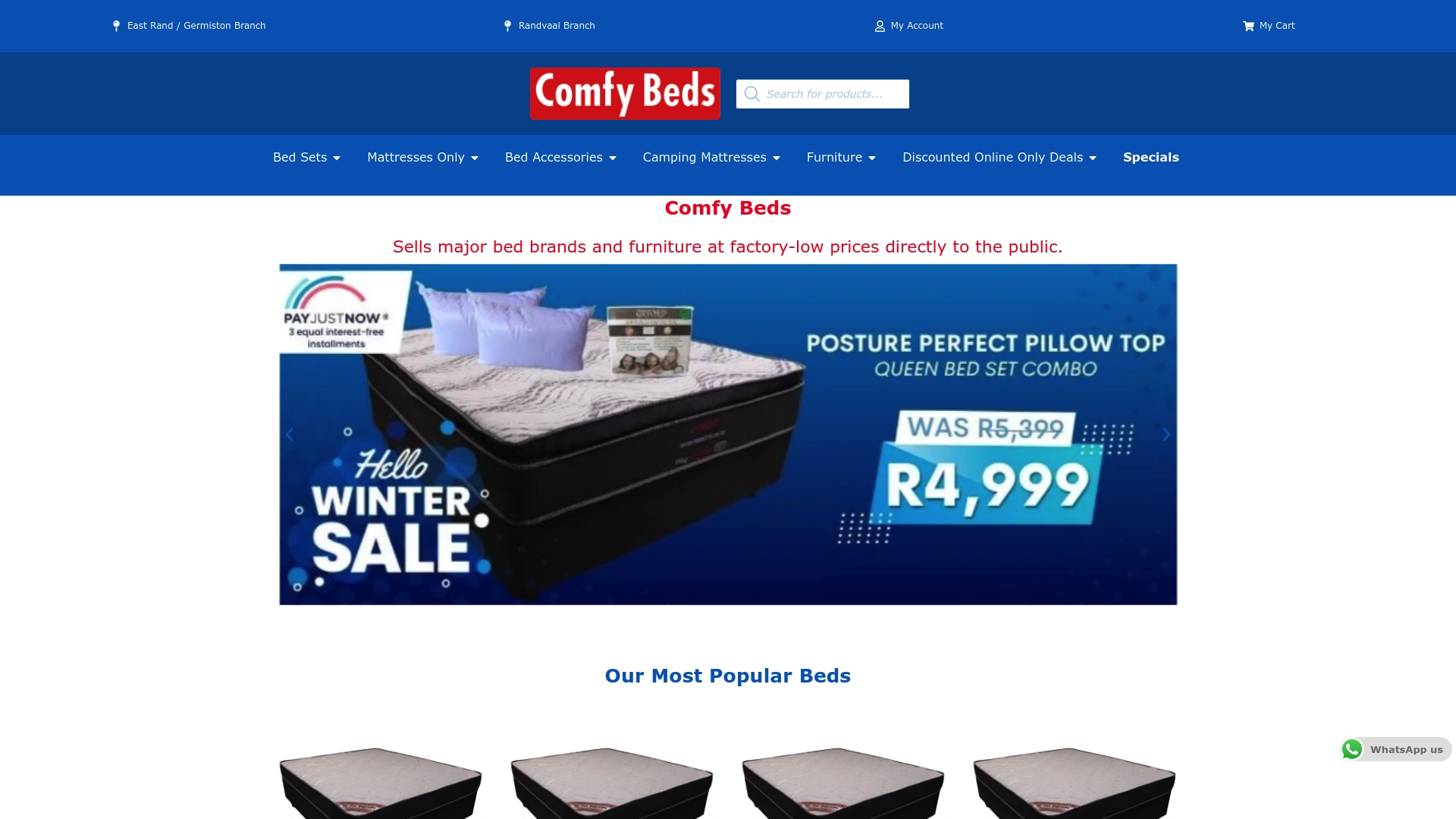
Ready to stop compromising on quality sleep? Discover the mattress that fits both your needs at Comfy Beds and enjoy factory-low prices on all major bed brands. Browse our mattress only options now and give your partnership the gift of better rest. Shop today for exclusive deals and wake up to brighter mornings together.
Frequently Asked Questions
What should couples consider when choosing a mattress?
Couples should consider sleep compatibility, motion isolation, firmness levels, temperature regulation, materials, durability, and warranty options when selecting a mattress to ensure mutual comfort and support.
How does motion isolation affect sleep quality for couples?
Motion isolation minimizes disturbances caused by one partner’s movements during the night, leading to fewer sleep interruptions and potentially higher relationship satisfaction.
What are the different firmness levels available in mattresses?
Mattress firmness levels typically range from soft (1-3) for side sleepers to firm (7-10) for back and stomach sleepers. A medium (4-6) firmness is often best for combination sleepers.
How can couples assess the durability of a mattress before purchasing?
Couples can assess durability by checking material quality, manufacturing standards, and expected lifespan. It’s also important to review warranty terms and what they cover regarding potential defects.
